

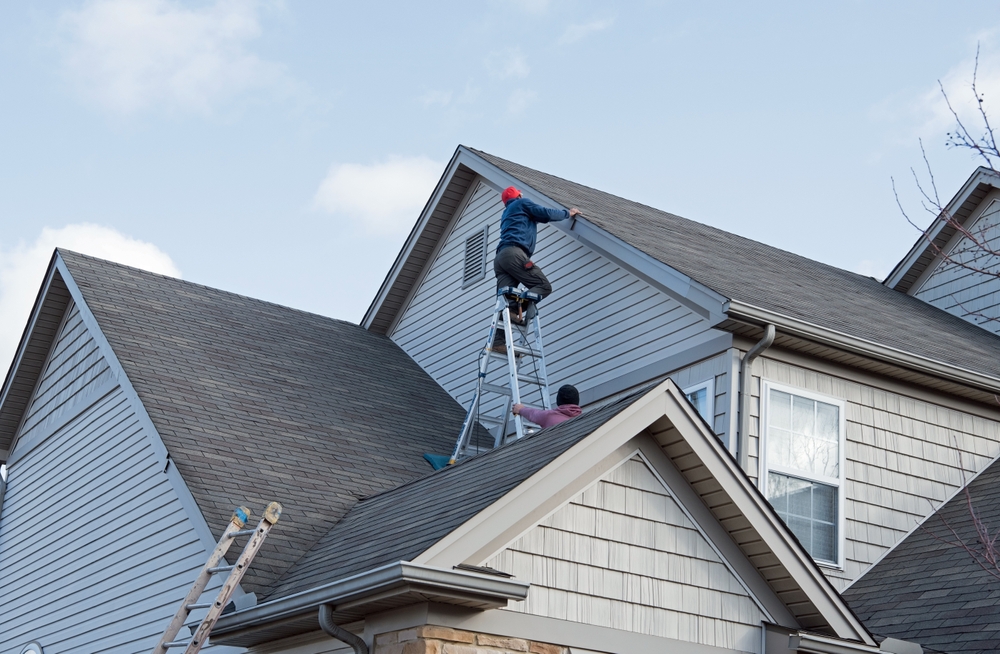
What Homeowners Should Know Before Scheduling a Roof Replacement
A roof replacement is a bigger decision than most homeowners realize, and the details matter more than price alone. Knowing what the process involves helps you ask better questions and make smarter choices before anyone gets on your roof. Getting familiar with the basics puts you in a stronger position when it's time to talk to a contractor.
Most surprises during a roof replacement come from not knowing what to expect at each stage. A little preparation up front saves you from budget gaps, timeline confusion, and contractor miscommunication. Knowing the process gives you confidence that the job is being handled properly.
What Does a Roof Replacement Actually Involve?
A full roof replacement covers more ground than swapping out old shingles for new ones. Your contractor will assess the decking, flashing, ventilation, and underlayment before any material goes on. What's underneath the surface determines how well the finished roof performs, and a good contractor checks it all first.
Roof Replacement Starts With a Thorough Inspection
Most homeowners don't realize how much can happen before a single shingle comes off the roof during a replacement. A proper roof inspection looks at the decking, flashing, ventilation, and underlayment, not just the surface condition. What the inspector finds underneath determines the full scope of work and the final project cost.
Decking damage is one of the most common surprises uncovered during a roof tear-off. Soft spots, rot, and water-damaged boards must be replaced before new materials are installed. Skipping that step leads to premature failure, no matter how good the shingles are.
Ventilation gets assessed during inspection because it directly affects how long your new roof lasts. An unbalanced system traps heat and moisture in the attic, breaking down materials from underneath over time. Addressing ventilation during replacement costs far less than fixing it after the fact.
Material Selection Affects Long-Term Performance and Cost
The material you choose determines how well your roof handles heat, hail, wind, and freeze-thaw cycles year after year after roof replacement. Asphalt shingles, metal roofing, and spray foam systems each bring different strengths depending on your property type and budget. Getting clear on your priorities before you start comparing products keeps the decision grounded in performance, not just price.

Impact resistance and thermal performance matter more in Iowa's climate than most homeowners factor in upfront. Class 4-rated shingles, for example, hold up significantly better against hail than standard options.
Your contractor should walk you through the warranty tiers available for each material before you decide. Certified installers unlock higher warranty levels that uncertified crews simply cannot offer. Knowing that difference upfront protects your investment long after the job wraps up.
What the Removal and Installation Process Actually Looks Like
Tear-off is the first physical step, and it moves faster than most homeowners expect on a well-organized job. Your old roofing material comes down to the deck, giving the crew a clear look at what's underneath before anything new goes on. Any damaged decking is replaced at this stage, before the underlayment and new materials are installed.
Flashing gets careful attention around chimneys, vents, skylights, and valleys because those transition points are where most leaks originate. A quality crew replaces flashing rather than reusing old pieces, even when the existing flashing looks passable. Getting those details right during installation is what separates a roof that performs from one that develops problems in year two or three.
How Long Does a Roof Replacement Take From Start to Finish
Most standard residential roof replacements wrap up in one to two days when the weather cooperates, and materials are staged in advance. Larger homes, complex roof lines, and unexpected decking damage can push that timeline out, but a good contractor will flag those possibilities during the estimate. Knowing the realistic range up front helps you plan for the project without unnecessary stress.
Weather is the one variable no contractor can fully control. Rain, high winds, and extreme heat can pause work mid-project, and a reputable crew won't push through conditions that compromise the installation.
Material availability also affects scheduling, particularly for specialty products like metal roofing or spray foam systems. Your contractor should confirm lead times before locking in a start date. Building that buffer into your planning prevents frustration if materials arrive later than expected.
What to Ask Your Contractor Before Work Begins
The questions you ask before signing an estimate reveal as much about the contractor as the answers do. A straightforward, detailed response to basic questions is a strong sign you're working with someone who knows the job and stands behind their work. Here are the five areas worth covering before any work begins.

1. Are You Licensed, Insured, and Manufacturer Certified?
Licensing and insurance protect you if something goes wrong during the project, and manufacturer certification affects your warranty tier. Ask for documentation on all three before the conversation goes any further. A legitimate contractor hands those over without hesitation.
2. What Does the Estimate Actually Include?
A detailed estimate from a professional roofing contractor should cover tear-off, decking inspection, underlayment, flashing, materials, labor, and cleanup. Vague line items and missing scope details are how unexpected charges show up after the job is done. Get everything in writing before you sign anything.
3. How Do You Handle Decking Damage Found During Tear-Off?
Damaged decking is common and adds cost, but how a contractor handles it tells you a lot about their process. You want a clear answer on how additional boards are priced and approved before work begins. Surprises on a job site are manageable when the communication process is already established.
4. Who Is Actually Doing the Work?
Some contractors sell the job and hand it off to a subcontracted crew you've never met. Knowing who shows up on your roof matters for accountability, workmanship quality, and warranty coverage. Ask directly and expect a direct answer.
5. What Does Cleanup Look Like at the End of Each Day?
A professional crew manages the job site throughout the project, not just at the end. Daily cleanup keeps debris contained, protects your landscaping, and signals that the team takes the whole job seriously. Ask specifically about magnetic nail sweeps, because missed fasteners in the yard cause real problems after the crew leaves.
Start Your Roof Replacement the Right Way With Hoskins Exteriors
Hoskins Exteriors has been handling roof replacements across Iowa, Nebraska, and Missouri since 1991, and every project follows the same standard from inspection through final cleanup. Our team uses premium materials from Owens Corning, IKO, CertainTeed, Fabral, and Conklin, backed by certified installation and a 10-year renewable warranty. When you work with us, you know exactly what's happening at every stage of the project.
Reach out to us at Hoskins Exteriors to schedule your free estimate and get honest answers before the work begins. We'll walk you through material options, timeline expectations, and everything your roof actually needs.
