

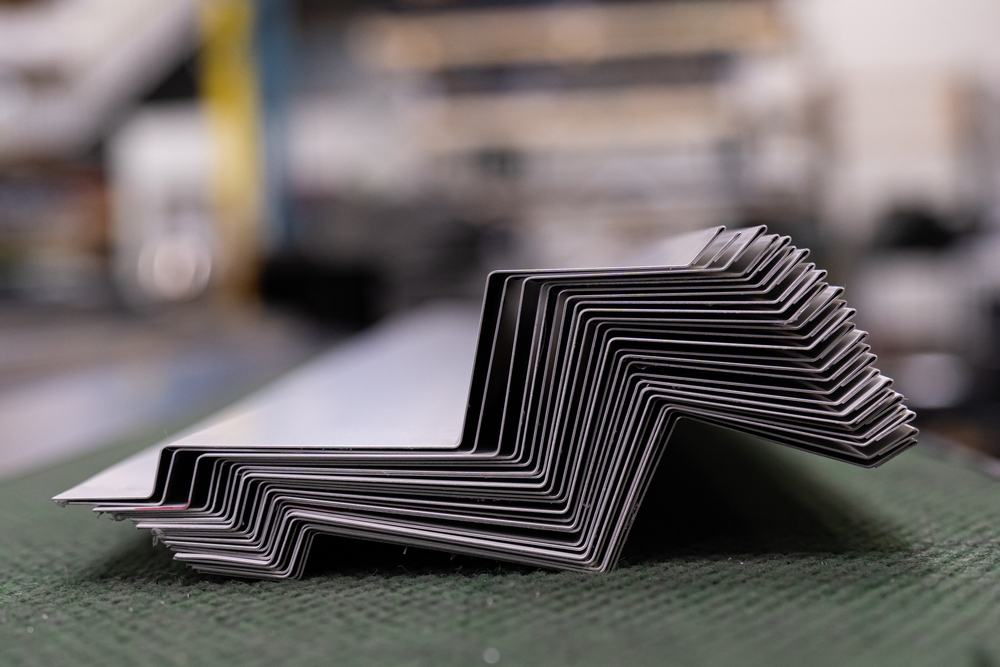
How Roof Flashing Protects Your Home From Water Damage
Roof flashing serves as a critical component of any roofing system, preventing water from infiltrating vulnerable areas. Properly installed flashing seals joints around chimneys, vents, and roof transitions, significantly reducing the risk of leaks. By maintaining flashing, homeowners protect structural integrity while extending the overall lifespan of their roof.
Additionally, flashing works together with shingles, underlayment, and gutters to create a complete water-resistant barrier. Even small gaps without flashing allow moisture to penetrate, causing mold, rot, or other structural damage. Understanding the purpose of flashing encourages timely inspections and maintenance, protecting long-term home value.
How Does Roof Flashing Protect Your Home Immediately?
Roof flashing directs water efficiently away from critical roof areas, including chimneys, vents, and roof transitions. It also prevents leaks that could compromise insulation, ceilings, and interior walls over time. Consequently, properly maintained flashing safeguards both the roof and interior from costly water damage.
What Is Roof Flashing and Why Is It Important?
Flashing is typically made from durable metals or synthetic materials designed to channel water safely off the roof. Step flashing, counter flashing, and chimney flashing each protect different roof areas from moisture intrusion. Proper installation prevents water from seeping beneath shingles or siding, lowering the risk of structural damage.
Flashing complements the roof underlayment, forming a continuous barrier against potential moisture intrusion throughout the structure. It reinforces areas where leaks are most likely to occur, supporting roof durability. Correctly installed flashing improves both the performance and longevity of the roofing system.

Professional installation ensures roof flashing integrates seamlessly with shingles, vents, and other roofing components for maximum effectiveness. Expert placement minimizes future maintenance requirements while maintaining energy efficiency for the home. As a result, homeowners enjoy a more durable and reliable roof system.
Routine inspections and maintenance further enhance flashing’s protective function over time. Ensuring that all joints and transitions remain properly sealed helps prevent water infiltration. Scheduling regular roof inspections allows homeowners to detect potential problems before they escalate into major issues.
How Can Weather Affect Roof Flashing?
Severe weather, including heavy rain, wind, snow, and hail, places significant stress on roof structures and flashing components. Temperature changes cause expansion and contraction, which can loosen fasteners and reduce flashing effectiveness over time. Poorly maintained flashing often leads to leaks around chimneys or roof transitions, increasing repair costs.
Ice accumulation and wind-driven rain exert additional pressure, potentially bending or dislodging flashing materials. Prolonged sun exposure can warp or corrode certain metals, diminishing their long-term effectiveness. Scheduled inspections help identify weather-related issues before serious damage occurs.
Rust-prone metals require protective coatings to maintain strength and performance throughout their lifespan. Keeping gutters clean ensures water flows efficiently, complementing the protection provided by flashing. These steps allow homeowners to prevent water from entering both the roof and foundation areas.
Regular attention before and after storms mitigates the impact of severe weather events. Combining professional inspections with homeowner checks ensures roof flashing continues to perform reliably. This approach better protects the home from leaks, rot, and mold damage.
When Should Homeowners Inspect Roof Flashing?
Routine inspections are essential for maintaining the integrity and effectiveness of roof flashing systems. Performing checks at the right time helps prevent leaks and reduces the risk of costly water damage. Inspections confirm that all joints and transitions remain properly sealed and functioning.
Homeowners should perform inspections during critical times, including:
After major storms or high winds that could loosen flashing
During seasonal changes, especially before winter to prevent ice dam formation
When gutters or downspouts require cleaning or maintenance
If rust, corrosion, or separation appears around chimneys or vents
When any roof repairs or upgrades affect existing flashing
Scheduling inspections during these times prevents minor issues from becoming major problems. Consistent maintenance keeps roof flashing effective and preserves the overall structural integrity of the home.
Common Flashing Problems to Watch For
Flashing issues can arise from age, weather exposure, or improper installation methods. Identifying problems early helps homeowners avoid leaks, mold growth, and structural deterioration. Knowing what to watch for enables timely action before extensive repairs are necessary.
Common flashing problems include:
Rust or corrosion around chimneys, vents, and roof transitions
Separation from shingles caused by wind uplift or thermal expansion
Improperly sealed joints allowing water infiltration
Aging or outdated flashing materials incompatible with newer roofing
Loose fasteners or displaced flashing due to environmental stress
Addressing these problems promptly ensures roof flashing continues to protect the home. Proactive maintenance prevents leaks and prolongs the overall lifespan of the roof system.

How Does Professional Installation Improve Flashing Performance?
Professional installation guarantees roof flashing integrates precisely with shingles, underlayment, and roof penetrations for optimal performance. Experienced crews follow manufacturer specifications and local building codes, reducing errors and installation risks. Consequently, water flows efficiently away from critical areas, keeping the home protected.
Special attention is given to chimneys, skylights, vents, and roof edges, where leaks are most likely. Correct fasteners and sealing techniques prevent displacement or separation in the future. Professional installation enhances both durability and long-term performance of the roof system.
High-quality materials, such as aluminum or galvanized steel, resist corrosion and extend overall lifespan. Expert placement ensures all components work together to protect the roof system effectively. This results in fewer repairs and improved energy efficiency for homeowners.
Routine professional inspections complement installation by identifying minor issues before they escalate. These evaluations help coordinate maintenance with gutter and roof cleaning schedules. Roof flashing remains reliable and effective throughout the roof’s lifespan.
Ensuring Your Home Stays Protected From Water Damage
Maintaining a home’s integrity begins with properly functioning roof flashing that prevents leaks and water damage. Routine inspections and timely maintenance ensure flashing continues performing at peak effectiveness. Homeowners can confidently protect both their roof and interior structure over time.
Hoskins Exteriors recognizes the importance of precise flashing installation and repair for long-term home protection. Their skilled crews focus on detail-oriented workmanship that safeguards all critical roof areas. To confirm your roof flashing functions correctly, contact Hoskins Exteriors for a professional inspection.
