

What Are The Signs Your Home’s Siding Needs Repair or Replacement
Homeowners in Iowa, Nebraska, and Missouri face demanding weather that often exposes exterior vulnerabilities that commonly affect siding performance across residential and commercial properties. Property owners sometimes miss early deterioration indicators that suggest siding repair is needed, which allows moisture issues to spread into underlying materials where larger structural damage begins forming. Siding concerns intensify over seasons as temperature swings, storms, and aging materials weaken protective functions that eventually require siding replacement to restore long-term durability.
Siding problems rarely improve without intervention, and building materials often deteriorate more quickly when small cracks or gaps remain unaddressed during high-moisture periods. Minor surface issues frequently turn into costly repairs when water reaches hidden layers that support insulation and overall exterior strength. Homeowners who recognize clear warning signs can schedule timely siding repair that preserves property value and prevents more significant deterioration requiring siding replacement later.
How Damaged Siding Indicates A Need For Prompt Action
Damaged siding indicates a need for prompt siding repair when cracks, gaps, or loose sections appear across exterior walls. Moisture intrusion, interior drafts, or visible warping usually signal siding replacement when protective performance becomes compromised. Mold growth, swelling boards, and expanding discoloration often confirm structural decline requiring professional siding repair or full siding replacement.
Why Visible Cracks Suggest Progressive Exterior Damage
Visible cracks represent a clear indicator that siding repair is needed since exterior panels rely on uniform surfaces for proper moisture control. Homeowners often notice cracks forming during seasonal shifts when expansion and contraction strain aging siding materials and weaken overall protection. Cracks typically widen over time and allow water to penetrate deeper, which accelerates deterioration that eventually requires siding replacement for complete restoration.
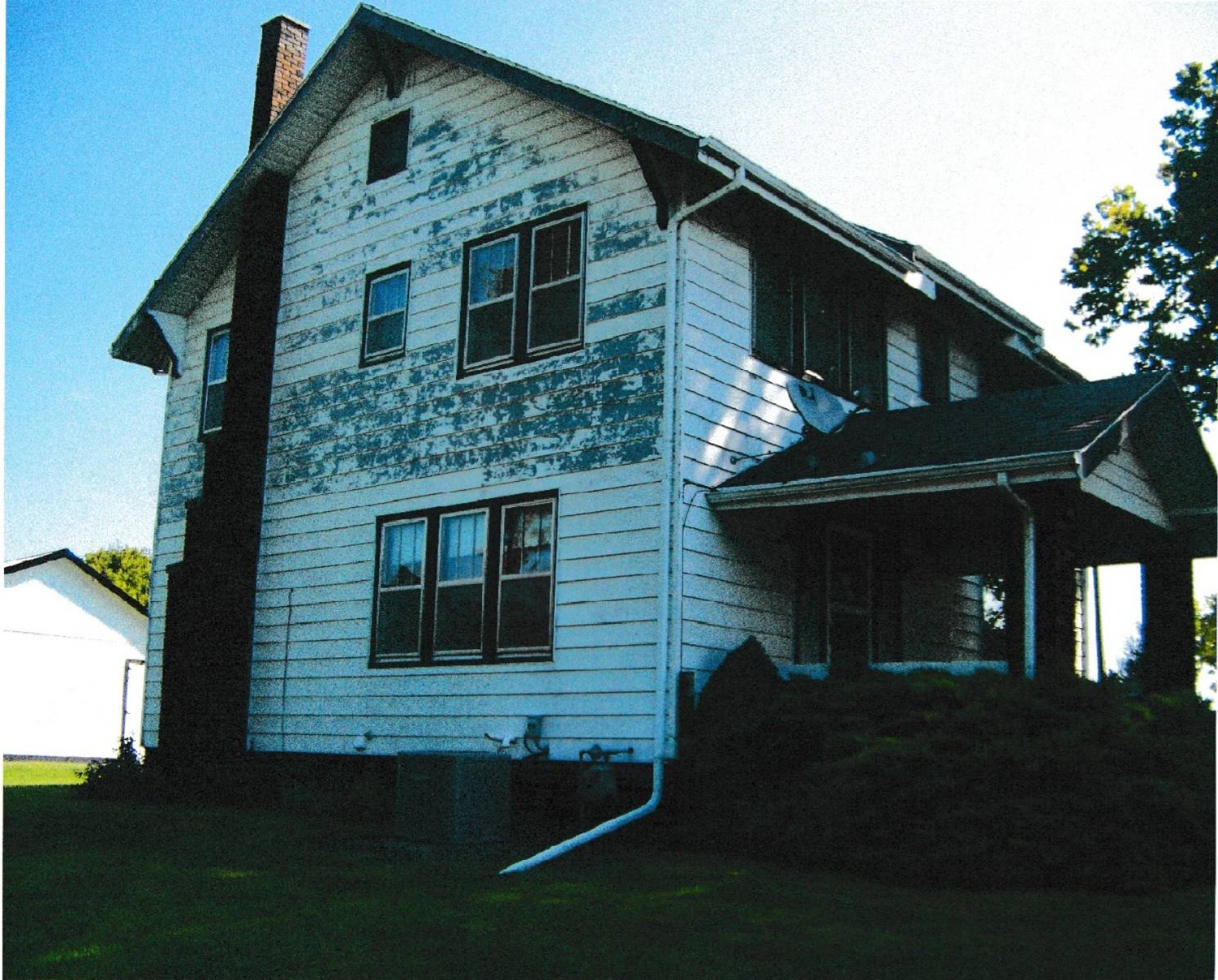
Cracking sometimes begins near fasteners or seams and spreads outward as weather patterns repeatedly stress fragile areas around windows or edges. Water intrusion around cracked sections often leads to insulation damage, mold development, and declining energy efficiency across multiple rooms. Homeowners who respond quickly to early cracking can minimize structural impact and avoid larger siding replacement costs associated with long-term neglect.
Cracks also indicate underlying material fatigue that can worsen rapidly when storms increase direct exposure to wind-driven moisture and debris. Protective layers beneath damaged siding often lose integrity when saturation continues over multiple seasons without repairs. Timely siding repair helps stabilize weakened areas before cracking spreads across exterior walls where siding replacement becomes the only viable solution.
Where Surface Damage Reveals Underlying Structural Concerns
Surface damage often exposes deeper issues that require prompt siding repair before structural elements experience significant deterioration. Homeowners sometimes overlook small imperfections that signal early warnings, which allows moisture and pests to reach vulnerable materials beneath exterior surfaces. Surface problems often intensify during seasonal transitions when repeated freezing and thawing weaken already compromised sections and increase siding replacement needs.
Cracked panels frequently allow water to pass through exterior layers, which leads to mold growth and insulation damage over time. Cracks also widen with shifting temperatures, increasing the need for long-term siding replacement.
Warped boards indicate moisture infiltration that disrupts alignment across siding sections, which reduces energy efficiency and structural stability. Warping commonly expands across walls, which eventually requires full siding replacement.
Loose siding panels fail to protect underlying sheathing, which increases vulnerability during storms and high winds. Loose panels often detach further, which accelerates siding repair or replacement demands.
Bubbling paint suggests moisture trapping behind siding materials, which weakens adhesive bonds and insulation strength. Bubbling typically spreads quickly, which increases the urgency of siding replacement.
Faded or discolored areas often reveal UV damage that degrades protective coatings, which reduces weather resistance and overall durability. Fading typically indicates advancing age, which often leads to siding replacement when performance declines.
Surface damage progression creates higher risks for costly structural repairs when left unattended during storm seasons. Early siding repair prevents moisture from reaching deeper materials that require intensive restoration. Homeowners who schedule timely evaluations protect long-term property performance and reduce total siding replacement costs.
How Warping Signals Moisture Problems Requiring Immediate Action
Warping often indicates water infiltration that undermines siding performance and requires immediate siding repair to prevent further damage. Homeowners sometimes observe warped sections lifting away from walls, reducing weather resistance and increasing exposure during storms. Warping usually spreads across multiple panels when moisture continues to enter structural layers, eventually requiring siding replacement for complete restoration.
Warped siding frequently appears near rooflines, window frames, and gutter edges where water naturally accumulates during storms. Distorted boards disrupt alignment across exterior surfaces and increase the likelihood of drafts spreading into interior living spaces. Extensive warping typically confirms deeper moisture intrusion that requires more than siding repair and often leads to siding replacement for lasting protection.
Warping also weakens fastener stability, increasing the risk of panel detachment during high winds or heavy rainfall. Loose or bent boards create pathways for pests, water, and debris, compromising insulation performance. Professional siding repair reinforces vulnerable areas early, while advanced warping typically transitions into full siding replacement when protective value diminishes.
Why Moisture Intrusion Requires Prompt Corrective Measures
Moisture intrusion usually indicates advanced deterioration that requires urgent siding repair to prevent widespread structural damage. Water entering beneath siding commonly affects sheathing, framing, and insulation materials that cannot dry effectively without intervention. Persistent moisture often signals a failure in protective barriers that eventually necessitates siding replacement to restore long-term integrity.
Lingering moisture often leads to visible mold growth inside or outside affected areas, accelerating material decay and reducing air quality. Water paths often follow cracks or gaps that expand when materials weaken under repeated exposure. Homeowners who notice moisture stains or odors should schedule siding repair promptly to avoid structural deterioration that may increase siding replacement requirements.
Moisture issues typically worsen during storm-heavy seasons when water volume overwhelms weakened exterior surfaces. Siding that cannot repel moisture eventually loses its ability to protect interior components, which raises restoration costs significantly. Prompt siding repair stabilizes early damage, while larger saturated areas nearly always require siding replacement to ensure renewed exterior strength.
How Energy Inefficiency Points To Failing Exterior Materials
Energy inefficiency frequently reveals declining siding performance that requires siding repair to restore stable indoor comfort and utility control. Rising heating or cooling expenses often indicate insulation disruption caused by gaps, cracks, or warped siding panels across exterior surfaces. Persistent drafts around interior walls usually confirm significant deterioration that eventually requires siding replacement to correct long-term efficiency losses.
Temperature inconsistencies across rooms often develop when siding materials no longer block exterior air movement effectively. Siding gaps widen during seasonal expansion cycles, which allows conditioned air to escape throughout the year. Repairs address early efficiency decline, while extensive structural weakness typically requires siding replacement for comprehensive improvement.
Insulation degradation also increases when moisture reaches underlying layers that support temperature regulation across interior spaces. Compromised insulation creates fluctuating climate conditions that strain HVAC systems and raise energy consumption. Professional siding repair often resolves early inefficiency, while widespread insulation damage typically necessitates siding replacement to reinstate proper performance.
Why Pest Intrusion Often Confirms Siding Failure
Pest intrusion frequently signals weakened siding that requires immediate siding repair to prevent deeper material destruction around exterior framing. Small openings created by cracks or loose panels offer easy entry points for insects and rodents seeking shelter during seasonal weather shifts. Ongoing pest activity often reveals advanced deterioration that requires siding replacement for complete resolution.
Pests frequently nest behind aging siding where moisture and warmth accumulate during transitional seasons. Nesting activity increases structural weakness and accelerates decay across compromised sections. Repairs can resolve localized issues, while extensive nesting damage typically requires siding replacement to restore stable exterior protection.
Interior noise, scratching, or visible droppings often confirm active entry points along siding seams or foundation edges. Infestation patterns usually follow moisture damage zones where protective barriers have already failed. Prompt siding repair prevents further intrusion, while widespread entry across walls usually requires siding replacement for long-term security.
Your Home Deserves Stronger Exterior Protection
Homeowners who recognize early warning signs can prevent extensive deterioration and maintain strong exterior performance through timely siding repair before major structural concerns develop. Siding issues often escalate quickly across properties exposed to harsh regional weather, which makes early action essential for preserving long-term protection and efficiency. Evaluating visible damage allows property owners to address concerns promptly and determine whether siding replacement is required for complete restoration.
Property owners seeking reliable evaluations and exterior solutions can schedule professional support designed to restore long-term durability and secure building performance across all seasons. Expert guidance ensures accurate assessments and targeted repairs that protect overall property value with dependable craftsmanship. Contact Hoskins Exteriors for trusted siding repair and siding replacement services that enhance property resilience across Iowa, Nebraska, and Missouri.
