

Metal Roofing Myths Homeowners Still Believe
Metal roofing continues growing in popularity, yet numerous homeowners hesitate due to persistent misconceptions about performance. Understanding its real advantages ensures long-lasting protection while improving overall property value. Moreover, accurate knowledge allows homeowners to make confident decisions without relying on outdated or misleading assumptions..
Many assume metal roofs are noisy, expensive, or unsuitable for traditional home designs. However, modern materials and professional installation effectively address these concerns. Consequently, homeowners gain both durability and peace of mind when evaluating metal roofing for their homes.
What Are the Biggest Metal Roofing Myths Homeowners Believe?
Homeowners often hesitate to choose metal roofing due to misconceptions regarding cost, noise, and appearance. In reality, properly installed metal roofs are quiet, energy-efficient, and visually versatile for various home styles. Understanding these facts empowers homeowners to make informed choices rather than relying on outdated beliefs or myths.
Are Metal Roofs Really Noisy?
Some homeowners assume heavy rainfall or hail will create constant interior noise throughout the home. In truth, modern metal roofing systems include sound-deadening layers that significantly reduce impact sounds. Therefore, the interior environment remains quieter than most people expect during typical weather events.
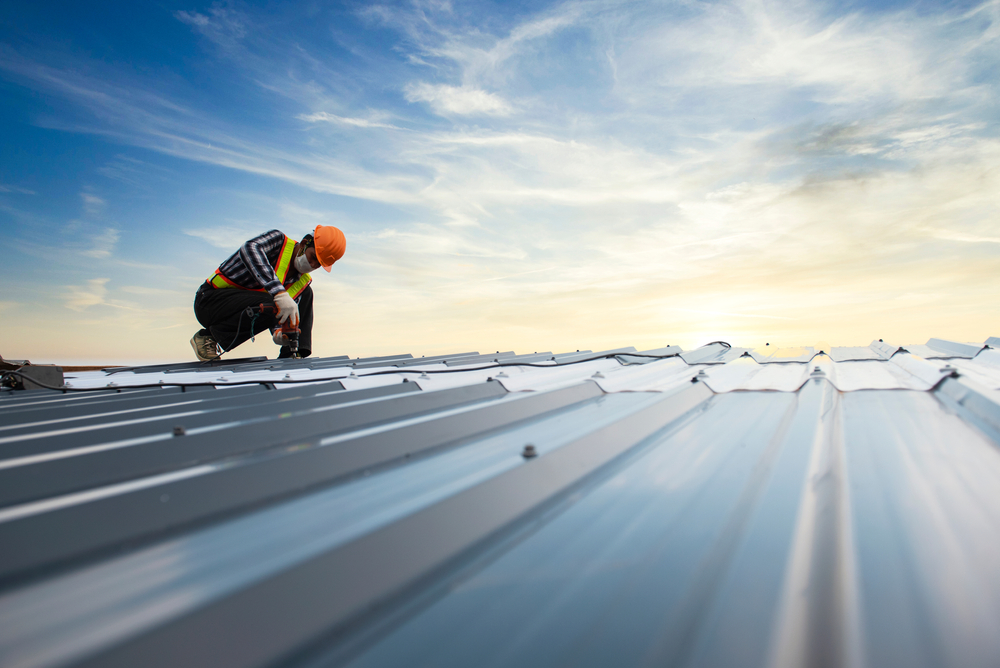
Professional installation secures panels firmly, preventing vibrations that could amplify storm noise or rattling. Combined with insulation beneath the panels, metal roofs perform quietly even during intense precipitation. As a result, homeowners experience durability and comfort without compromise.

Metal roofing also withstands high winds without producing whistling or other disruptive noises. Interlocking panel designs further reduce the likelihood of shifting or rattling during storms. Noise concerns are largely unfounded when metal roofs are correctly installed.
Even hailstorms rarely create significant interior noise because modern panels deflect impacts efficiently. Additionally, the material’s rigidity prevents loud reverberations within living spaces. Quiet performance remains just one of many benefits this roofing option provides homeowners.
Can Metal Roofing Withstand Severe Weather and Is It Worth the Cost?
Metal roofing delivers outstanding resistance to wind, hail, and heavy snow loads under demanding conditions. Interlocking panels and secure fasteners form a strong barrier against harsh weather throughout the year. Consequently, homeowners benefit from reliable protection regardless of seasonal challenges.
Sloped metal roofs naturally shed snow, reducing ice dam formation and structural strain over time. Protective coatings prevent corrosion while maintaining an appealing exterior finish. Maintenance requirements are typically lower than those associated with traditional asphalt shingles.
Metal panels withstand falling branches or debris thanks to exceptional impact resistance. Reflective surfaces also reduce heat absorption, minimizing thermal expansion and extending overall roof life. Therefore, this roofing option combines durability, strength, and energy efficiency in a single investment.
Despite higher upfront costs, investing in this roofing option provides long-term value that surpasses asphalt shingle lifespans. Properly installed systems can last between 40 and 70 years, offering decades of protection. When weighing asphalt shingles versus metal roofing, homeowners can better evaluate durability, maintenance, and overall return on investment.
How Does Metal Roofing Improve Energy Efficiency?
Beyond durability, metal roofing improves a home’s energy efficiency through reflective surfaces and thermal regulation. These coatings minimize heat absorption during summer, keeping interior spaces cooler and more comfortable. Additionally, the roof retains warmth during winter, maintaining a stable indoor environment year-round.
Homeowners can leverage energy-saving features such as:
Reflective coatings that reduce heat transfer and lower cooling costs.
Panels designed to work with attic insulation for consistent indoor temperatures.
Roof designs supporting ventilation, enhancing efficiency across seasons.
Durable materials that prevent leaks or surface damage, maintaining energy performance.
Reduced dependence on heating and cooling systems, lowering utility bills and environmental impact.
Overall, this type of roofing helps homeowners save energy costs while enhancing comfort. Homeowners can also benefit from professional solutions and expert installation.
Design Flexibility Enhances Curb Appeal
Metal roofing offers homeowners a wide selection of colors, textures, and panel styles to complement any home. These options allow seamless integration with modern, traditional, or historic architecture. Functional benefits are never sacrificed for visual appeal.
Manufacturers provide panels mimicking slate, tile, or wood shake appearances, with custom colors and profiles. These choices harmonize with siding and trim, creating a cohesive, attractive exterior. Homeowners achieve lasting aesthetic appeal without sacrificing performance.
Panels can be installed in unique configurations to accentuate architectural details or rooflines. Standing-seam, corrugated, and interlocking styles provide both functional strength and visual interest. Consequently, design flexibility becomes a notable advantage of metal roofing systems.
Durable coatings protect color and finish from fading for decades, maintaining strong curb appeal. Long-lasting visual quality reinforces both property value and homeowner satisfaction. Therefore, metal roofs combine style, performance, and reliability in one investment.

What Maintenance Does Metal Roofing Require?
Metal roofing is generally low-maintenance, yet routine care ensures maximum lifespan and consistent performance. Simple, proactive upkeep prevents minor issues from evolving into costly repairs over time. Homeowners can follow several essential steps to maintain proper function.
Key maintenance practices include:
Periodic inspections to detect loose fasteners or wear in protective coatings.
Removing debris, leaves, or branches to prevent moisture accumulation.
Clearing gutters and downspouts to maintain proper water flow.
Occasional gentle cleaning to eliminate dirt, mold, or surface stains.
Scheduling professional inspections every few years to address subtle concerns early.
Following these steps allows this roofing option to retain durability, energy efficiency, and aesthetic appeal. Regular maintenance ensures homeowners enjoy long-term benefits for decades without unexpected costs.
Evaluating Metal Roofing for Your Home
Metal roofing provides quiet performance, longevity, energy efficiency, and excellent long-term value. Misconceptions about noise, cost, and design often discourage homeowners from exploring this durable option. Understanding its true advantages allows more informed, tailored decisions for any home.
Selecting a metal roof requires expertise regarding local climates, installation techniques, and regional architectural styles. Hoskins Exteriors guides homeowners in assessing suitability and provides professional installation for lasting results. Contact Hoskins Exteriors to explore different roofing solutions that meet your home’s design preferences, performance needs, and budget.
