

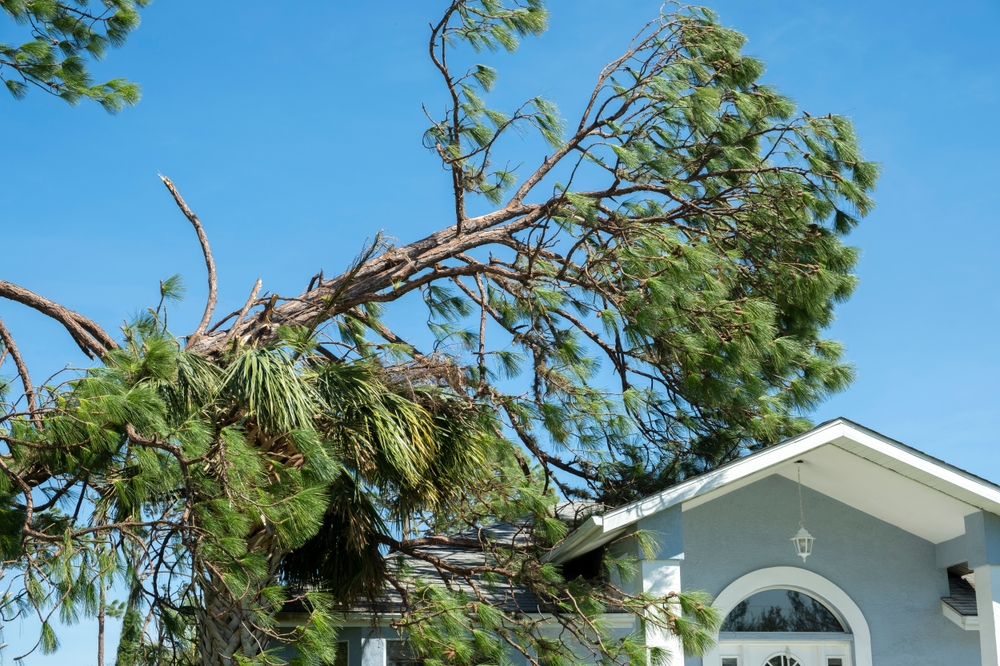
What to Do After a Windstorm Damages Your Roof
Windstorms can create significant roof damage, including loose shingles, lifted flashing, and exposed areas threatening structural integrity. Therefore, homeowners must act quickly to prevent minor issues from escalating into costly repairs. Understanding the proper steps after a storm protects the roof, interior spaces, and overall property value.
Storms may also create hidden issues that worsen over time if left unaddressed. Even small roof damages often allow water infiltration, causing mold growth or interior deterioration. Prompt, informed action helps ensure safety while preserving your home’s long-term durability.
How Should You Respond Immediately to Roof Damages After a Windstorm?
Homeowners should first inspect visible areas safely from the ground to gauge the extent of roof damages. Documenting issues with photographs supports repair planning and simplifies insurance claims for faster processing. Acting quickly with temporary protection prevents further water intrusion while safeguarding your home’s structural integrity.
How Should Homeowners Assess Roof Damages Safely?
First, conduct a visual inspection from the ground to identify obvious roof damages without risking personal safety. Look for missing shingles, bent flashing, or damaged gutters, which commonly indicate serious concerns. Using binoculars or photographs allows documentation of problems for insurance and repair purposes.
Noticing lifted vents or detached flashing highlights areas that require urgent attention. Small problems may appear minor, yet wind and rain can exacerbate them rapidly. Proper documentation ensures repairs proceed efficiently and insurance claims are properly supported.

Additionally, remove fallen branches and debris near the roof’s edge to avoid additional roof damages. Climbing onto the roof is risky without professional safety equipment and proper precautions. Prioritizing safety during inspections is essential for preventing accidents while assessing damage.
Early evaluation also determines whether temporary measures, like tarps, are necessary to protect the home. Covering exposed areas reduces the risk of water infiltration during subsequent storms. Homeowners can prepare roofs for winter weather to minimize seasonal damage effectively.
What Immediate Actions Can Protect Your Home After Roof Damages?
After a windstorm, quick action prevents minor problems from escalating into major structural or interior issues. Roof damage often allows water intrusion, leading to stains, leaks, or potential mold formation. Implementing immediate protective measures reduces further risks while homeowners await permanent repairs.
Begin by addressing the most vulnerable areas to limit additional home damage.
Secure tarps over exposed shingles and flashing to prevent water infiltration.
Clear debris from gutters and downspouts to maintain proper drainage.
Inspect the attic for moisture accumulation or water stains.
Remove fallen branches or debris around the roof perimeter.
Contact professional contractors for temporary protection and damage assessment.
Prompt execution of these steps minimizes roof damage impact while maintaining interior safety and structural integrity. Following this process ensures the home remains protected until permanent repairs are completed.
Why Are Professional Roof Inspections Critical After Windstorm Damage?
Professional inspections identify hidden issues a casual visual check cannot reveal effectively. Cracked shingles, loosened flashing, or compromised underlayment may worsen without timely intervention, increasing roof damages. Expert evaluation protects the home while preventing minor roof damages from becoming costly repairs.
Inspectors also assess attic insulation and ventilation, which influence roof performance and durability. Imbalanced airflow or poor insulation can cause condensation, ice dams, or interior damage. Addressing these factors supports energy efficiency and prolongs roof lifespan.
Detailed inspections provide clear documentation for insurance claims, ensuring homeowners receive appropriate coverage. Proper records prevent overlooked damages from increasing repair costs over time. Moreover, professional assessment guarantees repairs are thorough, durable, and long-lasting.
Routine inspections reduce the likelihood of repeated windstorm damages, maintaining roof condition over years. Keeping the roof properly maintained extends lifespan and safeguards interior spaces. Professional guidance ensures repairs and preventive measures are consistently effective.
How Can Homeowners Prevent Secondary Roof Damages?
Ignoring minor damage may lead to water infiltration and structural weakening if not addressed promptly. Temporary repairs like tarping or securing loose shingles minimize exposure while preventing mold or ceiling damage. Acting quickly safeguards both the roofing system and interior spaces.
Proper gutter maintenance is critical for diverting water away from foundations and preventing erosion. Functional downspouts and channels reduce the risk of secondary roof or interior damage over time. Homeowners should inspect and maintain gutters regularly to support long-term roof health.
Addressing lifted or missing shingles prevents additional wind-related damage and moisture intrusion. Even small gaps allow water entry, potentially worsening roof problems if neglected. Timely repairs protect both the roofing system and the home’s interiors.
Regular monitoring after initial fixes helps identify new roof damages early before issues spread. Storms can exacerbate previously unnoticed issues, requiring continuous attention. Ongoing evaluation ensures repairs remain effective and preventative measures are sufficient.

Seasonal Maintenance Tips to Strengthen Roofs Against Storm Damages
Seasonal maintenance helps roofs withstand unpredictable weather while minimizing emergency repairs and prolonging lifespan. Proactive care ensures consistent performance, even in regions with extreme temperature or wind variations. Homeowners gain long-term benefits from regular inspection and upkeep routines.
Focus on preventive measures each season to protect the home exterior effectively:
Inspect shingles, flashing, gutters, and vents for wear, cracks, or other damage.
Clear debris and trim overhanging branches near the roof to prevent impact.
Ensure balanced attic insulation and proper ventilation for roof efficiency.
Schedule professional seasonal evaluations to identify hidden or developing issues.
Following seasonal roof maintenance helps prevent roof damages from worsening over time. Consistent attention also supports energy efficiency and long-term protection for home exteriors.
Timely Action Prevents Further Roof Damages
After a windstorm, acting quickly prevents minor roof damages from escalating into expensive repairs. Temporary protection, professional inspections, and prompt repairs maintain structural integrity and interior safety. Addressing issues early preserves comfort, energy efficiency, and long-term property value.
Hoskins Exteriors provides dependable inspections and repairs to address storm-related roof damage effectively. Their team understands regional weather patterns and the effects of wind on roofing systems. Homeowners can contact Hoskins Exteriors for expert guidance, timely service, and long-lasting exterior solutions.
