

What Should You Do to Prepare Your Roof for Winter Weather
Preparing a roof for winter weather ensures that it remains durable, leak-free, and capable of protecting the entire home. Seasonal changes bring freezing temperatures, snow, and wind that test a roof’s strength and condition. Regular inspection and timely maintenance help prevent costly damage and energy loss during the coldest months.
Our team encourages homeowners to address roof concerns before snow begins to accumulate. Taking early preventive steps ensures lasting performance and structural safety throughout winter. We provide professional guidance to help every homeowner maintain reliable protection during harsh Midwest conditions.
What Steps Help Homeowners Prepare Their Roof for Winter
Inspect and clean the roof before winter weather to prevent leaks, ice dams, and shingle damage. Remove debris, check flashing, and verify attic insulation for proper ventilation. Address any loose materials immediately to maintain safety and extend roof lifespan.
Why Roof Inspection Matters Before Winter Weather
A professional inspection before winter weather identifies potential weaknesses that may worsen under snow and ice. Cracked shingles, exposed fasteners, or damaged flashing allow moisture infiltration and freezing. Repairing them early prevents structural damage and costly leaks.
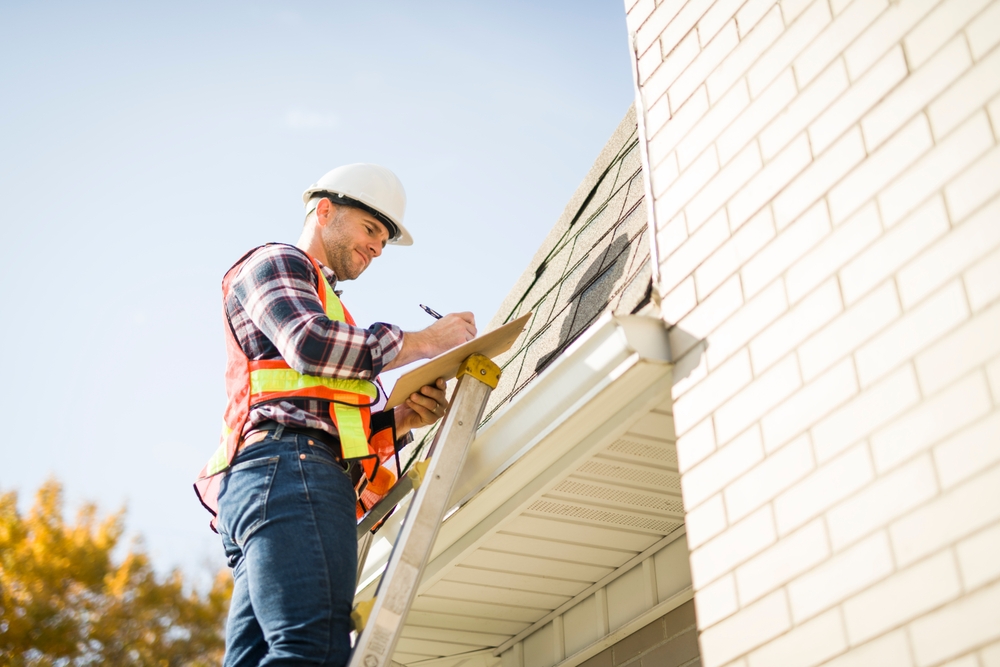
Inspections also help assess ventilation and insulation levels that regulate attic temperature. Balanced airflow minimizes ice buildup and prevents excessive condensation. Maintaining this equilibrium protects both interior comfort and roof structure.
Homeowners who schedule inspections before storms avoid emergency repairs during extreme conditions. Routine maintenance keeps the roof functioning properly throughout the season. Our inspections focus on long-term reliability and energy efficiency.
What Roof Maintenance Tasks Should Be Completed in Fall
Fall maintenance prepares the roof for winter weather and prevents premature wear. Addressing small issues before heavy snow ensures stability and consistent performance. Following a checklist makes preparation organized and thorough.
Clear Debris: Remove leaves, branches, and dirt from the roof surface. Clean gutters to keep drainage systems flowing freely.
Inspect Flashing: Examine flashing around vents and chimneys for cracks or lifting. Seal problem areas to prevent moisture infiltration.
Check Shingles: Look for curled or missing shingles and replace them promptly. Secure edges to prevent wind damage.
Clean Gutters: Blocked gutters cause ice buildup and water overflow. Ensure all downspouts direct water away from the foundation.
Trim Overhanging Branches: Cut back tree limbs near the roof to prevent debris accumulation and potential breakage under snow weight.
Completing these maintenance steps strengthens roof protection during the harshest conditions. Each task contributes to preventing moisture intrusion and structural stress. Our team helps homeowners complete seasonal maintenance efficiently and safely.
How Proper Insulation and Ventilation Affect Winter Roof Performance
Insulation and ventilation directly influence how well a roof withstands winter weather. Poor airflow causes warm indoor air to rise and melt snow unevenly, creating damaging ice dams. Balanced insulation maintains uniform temperatures across the roof surface.
Attic insulation reduces heat loss and improves energy efficiency. Homeowners should check insulation thickness to confirm full coverage without blockage. Adding or adjusting insulation before winter ensures consistent warmth indoors.
Adequate ventilation removes excess moisture that leads to mold or structural decay. Soffit and ridge vents maintain airflow while preventing trapped condensation. Our professionals verify that each ventilation system functions optimally for balanced climate control.
What Preventive Repairs Protect Against Winter Roof Damage
Minor repairs performed before winter weather can prevent major emergencies later. Addressing visible wear maintains strength under snow and freezing conditions. Proactive care helps roofs withstand high winds and heavy precipitation.
Seal Exposed Nails: Cover nail heads with roofing sealant to prevent corrosion and water entry. This reduces long-term deterioration risk.
Replace Damaged Shingles: Remove cracked or missing shingles to restore continuous protection. Proper replacement maintains uniform strength.
Secure Flashing: Tighten or reseal flashing around skylights, chimneys, and valleys. Strong flashing prevents ice and water penetration.
Check Roof Edges: Reinforce weak eaves or soffits to prevent ice dam formation. Stable edges enhance snow load resistance.
Reinforce Gutters: Tighten brackets and ensure proper alignment. Secure gutters prevent sagging under snow and ice weight.
Preventive repairs keep the roofing system resilient throughout the season. Each fix eliminates weak spots that winter weather would otherwise exploit. Our experienced team performs every repair with precision for long-term dependability.
Why Cleaning Gutters and Downspouts Is Essential for Winter
Gutters and downspouts manage water runoff from melting snow and rain. Clogged systems create ice dams and overflow that damage roofs and siding. Cleaning them before winter ensures consistent drainage performance.

Standing water freezes inside gutters, adding unnecessary weight and strain. Clear pathways allow melted snow to drain properly. Homeowners who maintain clean gutters experience fewer leaks and exterior stains.
Downspouts must direct water at least several feet from the foundation. Extensions prevent pooling and soil erosion near exterior walls. Our professionals confirm complete drainage flow during winter preparation inspections.
How Snow and Ice Impact Roof Structure During Winter
Snow and ice accumulation increase weight and stress on roofing materials. Prolonged buildup leads to sagging, leaks, or structural compromise. Monitoring snow depth and removing excess buildup preserves safety.
Ice dams form when uneven roof temperatures cause refreezing at edges. Preventing them requires consistent insulation, clean gutters, and proper attic ventilation. Early detection helps avoid roof rot and interior water damage.
Regular snow removal minimizes strain on trusses and shingles. Using roof rakes or professional services ensures safe, even clearing. Our team advises homeowners on proper snow management techniques for maximum protection.
How Homeowners Can Prepare Their Roofs for Winter Weather
Roof preparation ensures protection against freezing temperatures, snow loads, and high winds. Routine inspection, cleaning, and small repairs safeguard the structure throughout the cold months. Preventive attention now prevents larger issues when weather turns severe.
Professional roof maintenance verifies that all materials perform as designed and drainage remains unobstructed. Our experts provide detailed evaluations and reinforcement where needed. Contact Hoskins Exteriors today to schedule your winter roof inspection and protect your home all season long.
