

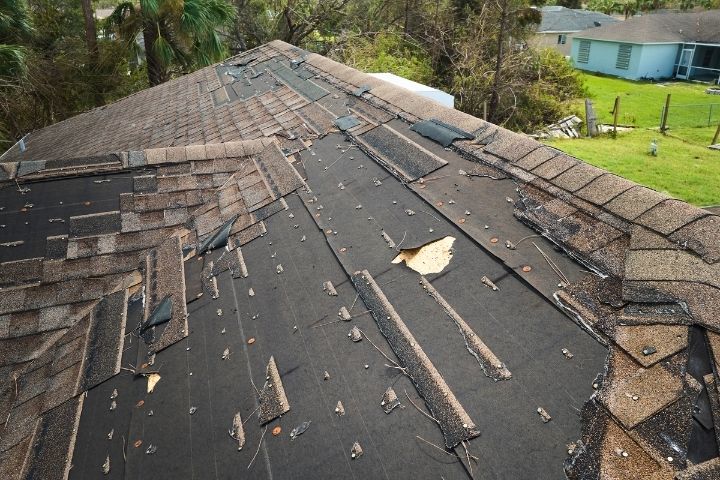
What to Do Immediately After a Storm Damages Your Roof
What to Do Immediately After a Storm Damages Your Roof
A severe storm can leave homeowners unsure of what to check first, especially when high winds, hail, or falling branches hit the property after dark. Some problems are obvious from the ground, while other signs of storm damage may not appear until water starts entering the attic or staining the ceiling. Acting carefully during the first several hours can help protect the home without putting anyone at risk.
Homeowners across Western and Southwest Iowa, Eastern Nebraska, and Northwest Missouri often face fast-moving weather that can affect shingles, flashing, gutters, and nearby trees. Even when the roof still looks intact, hidden roof damage may allow moisture to spread during the next round of rain. A clear action plan can make it easier to document the problem, limit further damage, and bring in the right contractor before a smaller issue turns into a more expensive repair.
The First 24 to 48 Hours Can Shape the Repair Process
The steps taken immediately after the storm can affect safety, insurance documentation, and the condition of the home. Homeowners do not need to inspect every part of the roof themselves, especially when storm damage has created unstable surfaces or loose materials. A careful ground-level review followed by a professional inspection helps homeowners understand what needs attention first without taking unnecessary risks.
Stay Safe Before Checking for Storm Damage
Once the weather has passed, the first priority is keeping everyone away from areas that may still be unsafe. Fallen tree limbs, loose shingles, broken gutters, downed power lines, and standing water can create hazards around the home. Even when the storm damage looks minor from the yard, the roof may have unstable sections that are not safe to walk on.
Homeowners should avoid climbing onto the roof or leaning a ladder against damaged gutters, siding, or fascia boards. If water has entered the home, keep people away from wet areas near outlets, light fixtures, or electrical panels until the space can be evaluated safely. A ground-level inspection is enough for the first review, especially after severe weather moves through communities in Western and Southwest Iowa.
Document Roof Damage From the Ground
Clear photos can help homeowners explain the problem to both the insurance company and the contractor. Capture missing shingles, dented gutters, fallen branches, scattered debris, and any visible roof damage from several safe angles. Take interior photos as well if ceiling stains, attic moisture, damp insulation, or active leaks appear after the storm.

Record the approximate time of the storm and note when each issue was first noticed. Avoid moving damaged materials unless they create an immediate safety risk, since leaving the area intact can provide a clearer record of the storm damage before repairs begin.
Take Temporary Steps to Keep Roof Damage From Spreading
Once the area has been documented, focus on simple actions that can limit additional water exposure inside the home. Temporary steps after storm damage should protect the property without requiring anyone to climb onto the roof or enter an unsafe area.
Use this short checklist during the first few hours:
Place buckets beneath active leaks and move furniture, electronics, and valuables away from wet areas.
Use towels or plastic sheeting indoors to keep water from spreading across floors or into nearby rooms.
Request professional help for exterior tarping when missing shingles, exposed decking, or visible openings leave the roof vulnerable.
Keep receipts for temporary repairs, cleanup supplies, and any professional services. These records may be useful during the insurance process, especially when another round of rain could cause the roof damage to spread.
Report Storm Damage and Organize Your Insurance Details
Notify your insurance provider as soon as possible and ask what information is needed to begin the claim process. Policies, deductibles, and coverage limits can vary, so homeowners should confirm the details of their own plan rather than assume every type of storm damage will be covered.
Keep the claim number, policy information, photos, receipts, and notes in one folder or digital file. Record the date of each call, the name of the person you spoke with, and any instructions you receive so the next steps stay clear as the inspection and repair process moves forward.
Before authorizing permanent work, ask the insurance provider whether the damage needs to be inspected first. Temporary protection can limit further exposure while preserving a clearer record of what the storm affected.
Know When Roof Damage Requires an Emergency Contractor
Some roof problems caused by storm damage should not wait for a routine appointment. Active leaks, visible openings, sagging roof sections, exposed decking, fallen tree limbs, or water near electrical fixtures can signal the need for urgent attention.

When these warning signs appear, homeowners may start searching for emergency roof repairs near me because the property needs a prompt local assessment. A qualified roofing contractor can recommend a safe temporary solution, limit water intrusion, and explain what should happen next.
After a major storm, avoid signing repair paperwork before the scope and payment terms are clear. A local, established contractor should explain the immediate priorities without pressuring homeowners into a rushed decision.
Have Storm Damage Inspected Before the Next Rain
A professional inspection can reveal problems that are difficult to identify from the ground. Missing shingles, loose flashing, punctures, weakened decking, and gutter damage may allow moisture to enter the home even when the roof still appears intact. After storm damage, an experienced contractor can separate temporary fixes from repairs that need prompt attention.
An inspection should move to the top of the list when another round of rain is expected across Western Iowa, Eastern Nebraska, or Northwest Missouri. Hoskins Exteriors can evaluate the affected areas, explain which repairs should happen first, and help homeowners protect the property before moisture spreads. Start your roof recovery with an urgent inspection from Hoskins Exteriors today.
