

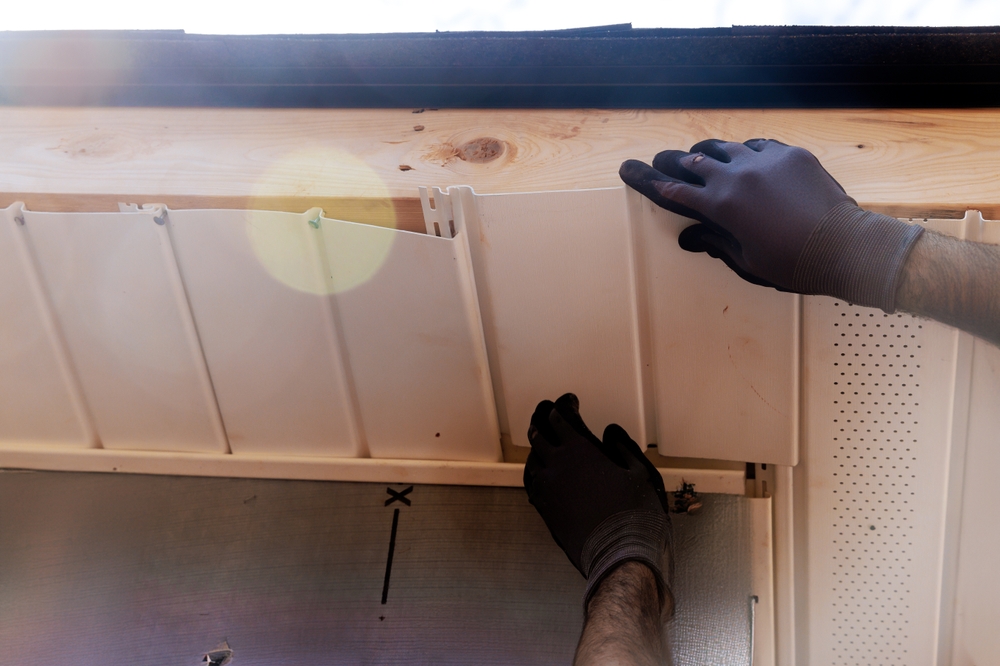
The Truth About Roof Ventilation and Why It Matters
Proper roof ventilation protects both your home and long-term investment by balancing attic temperature effectively. It reduces moisture buildup, prevents structural damage, and helps preserve roofing materials over many years. Ventilation also improves overall energy efficiency, keeping living spaces more comfortable throughout every season consistently.
Moisture control is essential for maintaining overall home durability and protecting interior structural components from deterioration. Without adequate airflow, condensation can damage framing, insulation, and even shingles, creating expensive repair needs. Understanding roof ventilation helps homeowners proactively prevent costly issues while keeping the home safe and healthy.
What Is Roof Ventilation and Why Does It Matter?
Roof ventilation is a system that allows attic air to circulate, preventing both heat and moisture buildup. Proper airflow protects shingles, framing, and insulation from premature wear or unnecessary damage over time. Additionally, it supports energy efficiency, helping homeowners reduce overall heating and cooling costs effectively.
How Does Roof Ventilation Protect Your Roofing and Insulation?
Proper roof ventilation is essential for maintaining the long-term performance of both your roof and insulation. Airflow prevents excessive heat buildup in attics, which can warp shingles and stress roof framing. Moreover, well-ventilated attics enhance energy efficiency, keeping your home comfortable throughout summer and winter consistently.

To maximize these benefits, homeowners should focus on key aspects of roof ventilation:
Prevents shingle warping and premature deterioration caused by trapped heat throughout the attic space.
Protects wooden roof structures from moisture-induced rot while preventing structural damage over time.
Maintains insulation performance and reduces stress on energy-efficient roofing systems for long-term durability.
Stabilizes temperature and humidity, protecting siding, window frames, and other exterior components.
Supports consistent airflow that effectively lowers overall heating and cooling costs throughout the year.
With consistent maintenance and proper attention, roof ventilation preserves roofing and insulation performance effectively. Ensuring these systems function optimally helps prevent damage while maintaining long-term energy efficiency.
Can Poor Ventilation Lead to Costly Damage?
Insufficient ventilation accelerates shingle deterioration and increases the risk of leaks developing over time. Moisture accumulation in attics promotes rot, mold growth, and insulation damage if left unaddressed. Consequently, small issues can escalate quickly into expensive repair projects requiring urgent attention.
Ice dams often form in winter when warm attic air melts snow unevenly across roof surfaces. Water refreezes at roof edges, damaging shingles, gutters, and fascia boards extensively. Properly installed ridge and soffit vents reduce ice dam formation by maintaining consistent attic airflow.
Energy costs rise significantly in homes with poorly ventilated attics over extended periods. Trapped attic air reduces insulation effectiveness, forcing heating and cooling systems to operate harder. Proper roof ventilation combined with high-quality spray-foam insulation helps maintain consistent indoor temperatures efficiently.
Routine inspections prevent damage from escalating unnecessarily over time. Checking vents, soffits, and roof slopes ensures airflow functions properly throughout the year. Early action safeguards roofing, siding, windows, and gutters from unnecessary wear or deterioration.
Why Is Attic Airflow Important for Home Comfort?
Attic airflow stabilizes indoor temperatures while supporting energy-efficient roofing and insulation performance consistently. Warm air from unventilated attics radiates into living spaces, often creating noticeable discomfort. Maintaining proper airflow enhances year-round comfort while protecting interior materials and finishes effectively.
Moisture control also improves healthy living conditions for homeowners and their families consistently. Damp attics encourage mold growth and shorten window seal lifespan significantly. Keeping attic air dry preserves insulation, siding, and overall indoor air quality for long-term protection.
Balanced airflow reduces HVAC system strain and energy expenditure throughout every season consistently. Homes remain cooler during summer and warmer in winter without overworking heating or cooling systems. Additionally, using spray-foam insulation complements proper attic airflow for maximum energy efficiency and comfort.
Seasonal inspections optimize attic performance while preventing airflow restrictions from developing over time. Cleaning soffit vents, checking ridge vents, and ensuring insulation remains effective improves airflow efficiency. Proper airflow works alongside seasonal roof and siding maintenance to protect your home comprehensively throughout the year.
How Does Ventilation Improve Energy Efficiency?
Proper airflow helps maintain a consistent attic temperature, reducing unnecessary heating and cooling demands effectively. Ventilation combined with spray-foam insulation significantly lowers energy costs while improving comfort for occupants. Homes become more efficient and also extend roof and gutter lifespan over time.
Air circulation also protects shingles, siding, and window frames from heat and moisture stress effectively. These conditions otherwise increase maintenance requirements and accelerate material deterioration substantially. Effective airflow safeguards exterior surfaces while simultaneously enhancing overall energy efficiency for homeowners.
Balanced airflow extends the lifespan of roofing materials while keeping gutters fully functional longer. Shingles experience less heat stress, and exterior materials require fewer repairs over time. Consequently, proper ventilation delivers both cost savings and structural protection simultaneously.
Maintenance ensures ongoing ventilation performance across every season and weather condition. Inspecting vents and removing blockages prevents airflow compromise and keeps attic temperatures balanced. Seasonal care supports roof, siding, gutter, and insulation effectiveness consistently throughout the year.
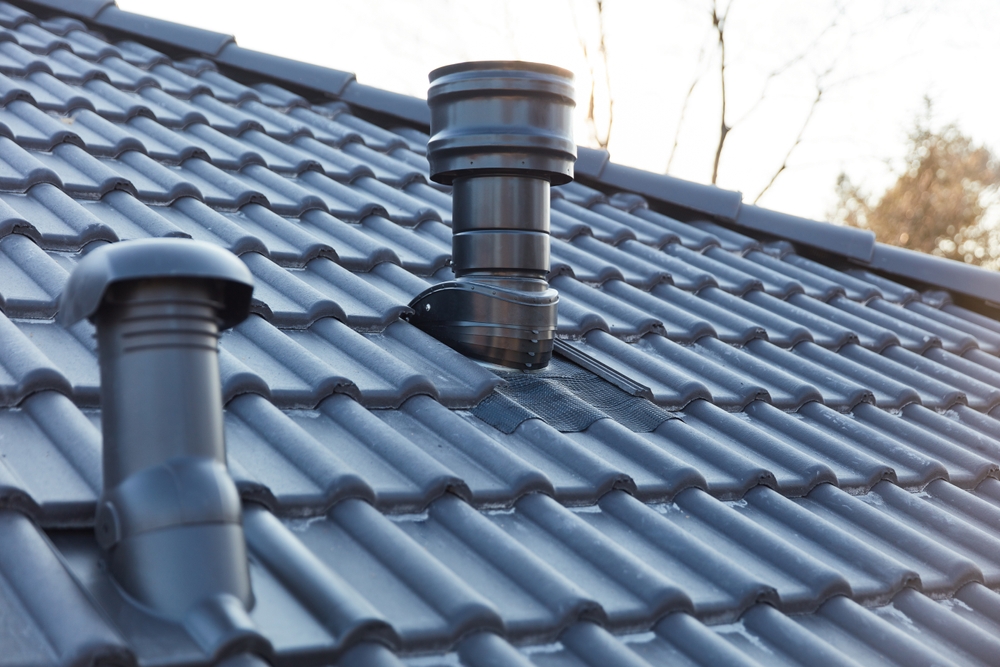
Seasonal Considerations for Roof Ventilation
Attic ventilation needs vary depending on seasonal weather conditions and temperature changes throughout the year. Hot summers increase heat buildup, while cold winters raise condensation and ice dam formation risks. Proper airflow ensures shingles, gutters, siding, and insulation remain protected during every seasonal change.
Homeowners can take proactive steps each season to maintain optimal airflow inside their attic spaces:
Clean soffit vents in autumn to prevent leaves and debris from blocking proper airflow.
Inspect ridge vents before summer to ensure maximum hot-air exhaust efficiency is achieved.
Check spray-foam insulation for gaps or compression after winter to maintain energy efficiency.
Monitor for ice dam formation during winter while confirming attic airflow remains balanced consistently.
Maintain airflow combined with seasonal roof and siding measures for continuous home protection.
Seasonal maintenance keeps roof ventilation functioning efficiently while protecting homes from weather-related damage. Homes with properly ventilated attics remain comfortable, energy-efficient, and protected throughout every season consistently.
Protect Your Home With Proper Roof Ventilation
Well-ventilated roofs maintain both interior comfort and long-term structural integrity over time. Proper airflow prevents heat buildup, moisture damage, and ice dam formation consistently. Routine inspections ensure shingles, siding, windows, gutters, and insulation remain fully protected and functional.
Homeowners enjoy energy savings, longer roof lifespan, and reduced maintenance requirements significantly. Early attention to ventilation preserves insulation and gutter performance while safeguarding exterior materials. Hoskins Exteriors provides comprehensive evaluation and solutions to optimize attic airflow, protect exteriors, and improve overall home efficiency. Contact us today to schedule a roof ventilation assessment and consultation.
