

How to Spot Siding Damage After a Storm
Homeowners throughout Iowa, Nebraska, and Missouri often face difficult exterior challenges after storms create sudden siding damage that weakens overall property protection. Strong winds, hail, and heavy rainfall frequently expose vulnerabilities that many homeowners fail to notice before long-term deterioration begins forming within exterior materials. Careful post-storm evaluations help reveal subtle problems early enough to prevent more serious structural issues from developing around windows, trim, and rooflines.
Storm activity places additional strain on siding systems that already endure seasonal expansion cycles across regional climates with significant temperature shifts. Early detection of siding damage allows property owners to act before hidden moisture, pests, or insulation issues spread across multiple exterior sections. Proactive attention helps preserve structural integrity while extending the lifespan of critical exterior surfaces responsible for year-round protection.
How Storms Commonly Create Siding Damage On Exterior Surfaces
Storms commonly create siding damage when wind-driven debris impacts exterior panels and compromises protective layers. Hail frequently dents or fractures siding materials, which increases moisture exposure across vulnerable surfaces. Heavy rain forces water behind siding systems where hidden deterioration forms within structural components.
Why Visible Cracking Reveals Early Storm-Related Issues
Visible cracking often appears when storms generate siding damage that weakens outer surfaces across exposed walls. Cracks form quickly after hail impact or intense wind pressure disrupts material stability around joints and panel edges. Homeowners who observe cracking should schedule prompt evaluations to prevent further deterioration from recurring weather conditions.
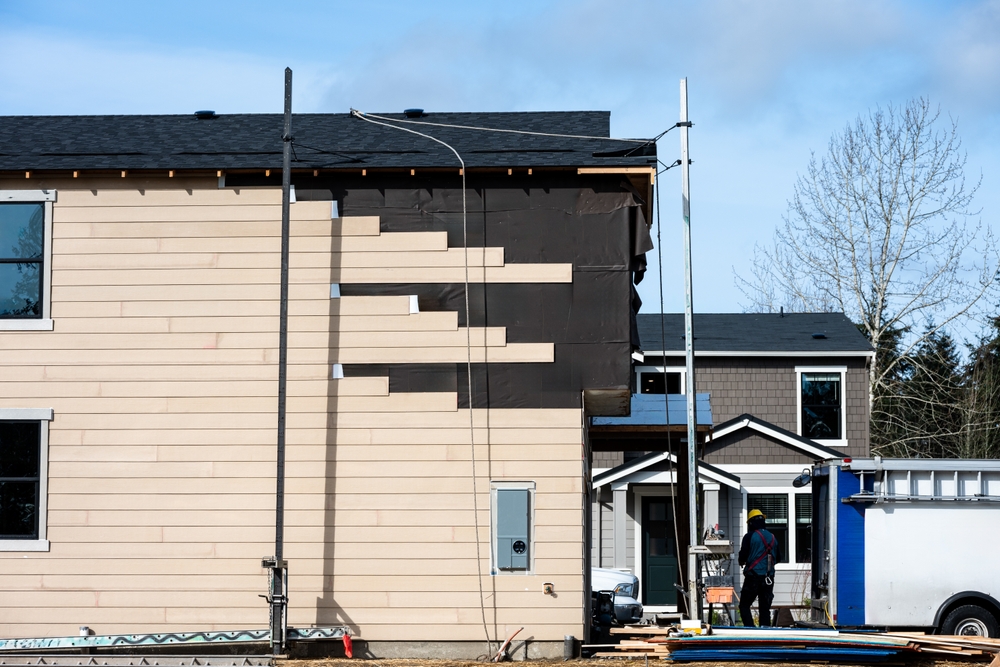
Cracks often expand under fluctuating temperatures that place stress on storm-weakened surfaces, which destabilizes portions of siding requiring repair. Storm patterns across the Midwest frequently intensify cracking when wind-driven moisture reaches underlying layers. Timely assessments help determine whether isolated cracking requires repair or if widespread siding damage warrants replacement.
Cracking sometimes develops along fastener lines where severe weather loosens panel connections and reduces structural alignment. Storm vibrations often widen cracks around weakened attachment points that allow debris and moisture to enter. Addressing cracking early helps prevent more extensive siding damage from affecting deeper building components.
Where Surface Irregularities Indicate Hidden Moisture Problems
Surface irregularities often reveal concealed siding damage caused by storms across vulnerable exterior areas during high-wind events. Property owners cannot overlook changes in panel appearance when irregularities suggest moisture pathways forming behind outer layers. Storm conditions frequently create these distortions when water infiltrates damaged regions requiring urgent inspection.
Warped boards often signal hidden saturation that expands after storms push moisture behind siding layers. Warping typically spreads quickly, which increases overall siding damage across connected panels.
Bubbling paint usually indicates trapped moisture from storm-driven rain entering through compromised cracks. Bubbles commonly enlarge rapidly, which confirms progressive siding damage beneath painted surfaces.
Soft siding sections often reflect internal moisture decay that accelerates after storm conditions disrupt protective barriers. Softness spreads across impacted regions, significantly increasing the risk of structural siding damage.
Discoloration patches frequently reveal deeper moisture intrusion caused during intense rainfall events. Discoloration often extends to interior materials, confirming significant siding damage requiring immediate evaluation.
Surface rippling often appears when storms loosen attachments and allow panels to shift against underlying structures. Rippling intensifies with additional weather changes, which leads to larger siding damage concerns.
Storm-created irregularities become more serious when moisture remains trapped for extended periods between siding components and insulation layers. Persistent saturation increases the likelihood of mold growth around vulnerable areas and accelerates structural decline. Early identification of these irregularities prevents advanced siding damage from spreading across wider exterior surfaces.
How Loose or Shifting Panels Indicate Structural Weakness
Loose or shifting siding panels typically appear after storms create siding damage that disrupts material alignment across home exteriors. Wind gusts frequently lift panels away from walls and weaken attachment points around multiple sections. Immediate inspection becomes necessary to determine whether damage remains localized or requires broader corrective measures.
Loose panels often develop gaps that expose structural materials to repeated rainfall during subsequent storms. Gaps allow moisture, insects, and debris to enter, which increases the likelihood of long-term siding damage forming behind exterior layers. Homeowners should treat loose panels as early warnings requiring professional evaluation.
Shifting panels sometimes indicate that storms weakened underlying support structures around fastening points. Movement across panels exposes homes to drafts, water infiltration, and temperature inconsistencies around affected walls. Stabilizing these areas quickly prevents the rapid spread of siding damage during upcoming regional weather cycles.
Where Interior Warning Signs Reveal Exterior Siding Damage
Interior warning signs often indicate exterior siding damage created during storm events that compromised protective layers. Homeowners should note interior symptoms, as they often appear before exterior deterioration becomes visibly obvious. Early identification reduces the need for extensive reconstruction across affected walls.
Interior drafts often indicate gaps where storms forced air through cracked or loose exterior siding. Draft patterns grow stronger over time, which signals worsening siding damage around compromised areas.
Water stains usually develop when moisture passes behind siding layers and enters interior wall cavities after severe precipitation. Stains are darkening gradually, confirming ongoing siding damage requiring immediate attention.
Peeling interior paint often indicates moisture trapped within structural framing, suggesting exterior breaches caused by storms. Peeling extends across larger sections, suggesting worsening siding damage behind affected walls.
Soft drywall typically indicates internal water damage caused by compromised siding barriers. Softness spreads quickly, confirming active siding damage in hidden layers.
Sudden temperature variations often show insulation degradation caused by siding damage that allows outdoor air to penetrate walls. Temperature instability grows worse, which indicates expanding siding damage reducing energy efficiency.
Interior symptoms typically confirm exterior failures that require targeted evaluations to identify moisture entry points. Homeowners who respond promptly protect interior materials before deterioration becomes severe. Monitoring interior conditions helps detect siding damage that storms intensify over time.
Why Structural Shifts Confirm Extensive Storm-Related Deterioration
Structural shifts often indicate siding damage when storms apply uneven pressure across exterior surfaces, disrupting overall alignment. Homeowners should scrutinize shifts, as they often reveal deeper problems developing behind the panels. Early detection prevents small issues from progressing into major structural concerns.
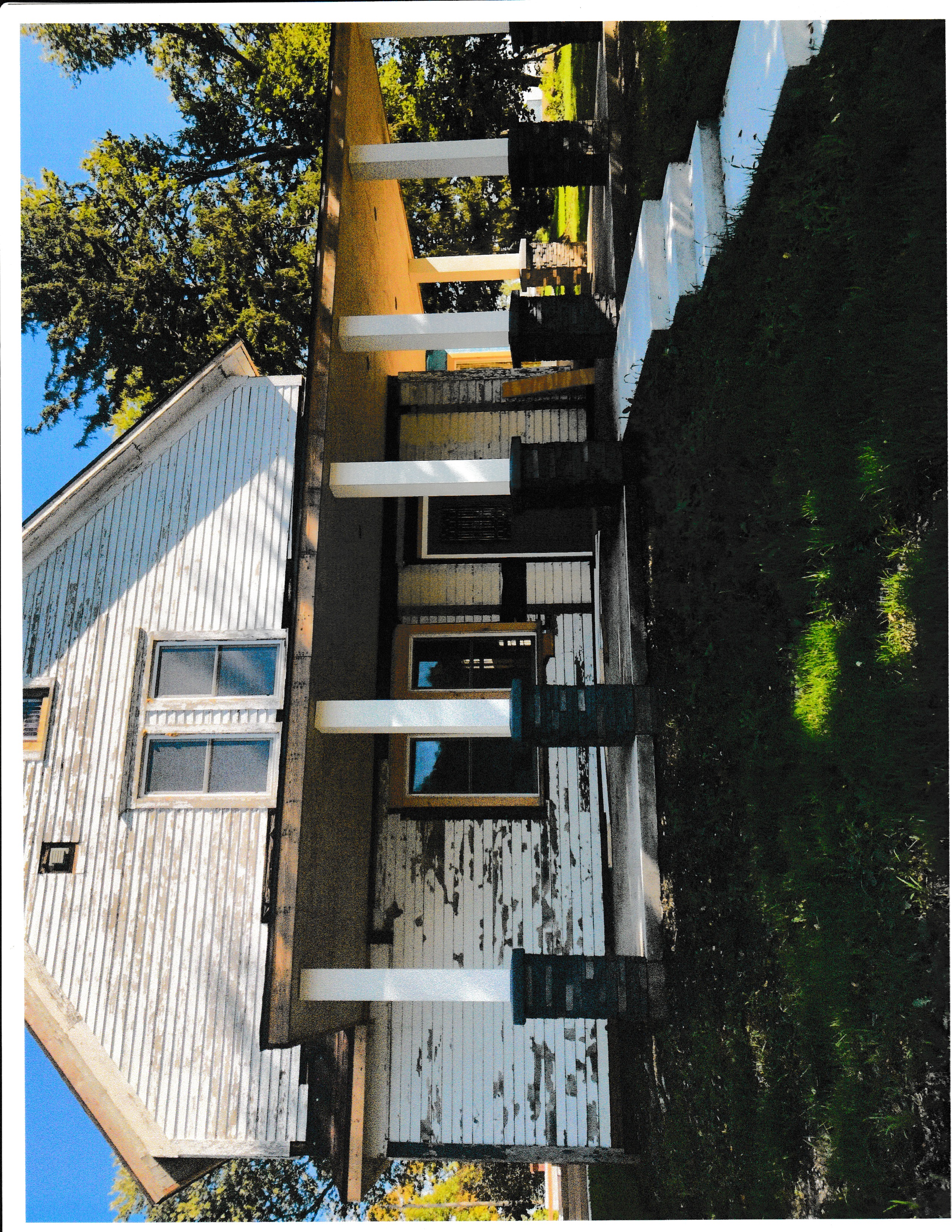
Misalignment across siding panels indicates stress points where storm winds bent or lifted materials beyond normal tolerance ranges. Misalignment worsens after repeated weather cycles, confirming advancing siding damage in vulnerable areas. Correcting alignment early prevents moisture intrusion and continued instability.
Uneven wall surfaces sometimes appear when storm-force impacts compromise support structures beneath siding materials. Uneven areas expand as weakened sections absorb moisture and lose rigidity. Identifying these shifts helps prevent siding damage from spreading across wider wall regions.
Structural separation between panels and trim pieces often indicates that storm activity loosened attachment points significantly. Separation allows rain and debris to reach internal components, which initiates further deterioration. Repairing these areas ensures siding damage does not accelerate during future storms.
Stronger Home Protection Starts With Professional Storm Inspections
Homeowners who recognize storm-related warning signs can prevent advancing siding damage from reaching deeper structural components across their properties. Identifying exterior issues early becomes essential when severe weather repeatedly tests siding systems throughout shifting regional seasons. Vigilant monitoring helps protect long-term property performance while reducing costly repairs associated with prolonged deterioration.
Professional evaluations ensure siding conditions are measured accurately and restored using dependable methods suitable for regional climate demands. Storm assessments help homeowners understand whether damage requires isolated repairs or more comprehensive corrective measures across affected exterior surfaces. Contact Hoskins Exteriors for expert siding damage inspections and reliable restoration solutions that strengthen property protection across Iowa, Nebraska, and Missouri.
