

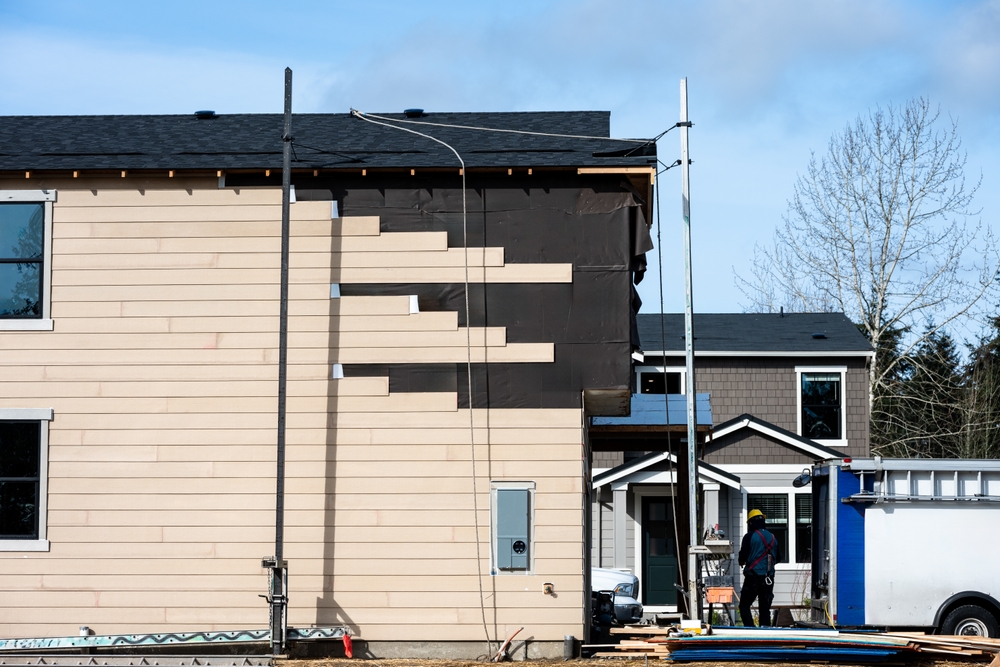
When to Repair vs. Replace Your Siding Before the Cold Hits
Seasonal changes can cause significant wear to your home’s exterior, especially when temperatures begin to drop. Knowing when to repair vs. replace siding is crucial to maintaining insulation, preventing moisture intrusion, and protecting your home’s structure. Proper assessment and timely action ensure long-term durability, comfort, and visual appeal.
As winter approaches, siding damage often becomes more noticeable due to temperature fluctuations and increased moisture. Homeowners who act early can prevent costly energy loss and structural problems. Our experienced team helps evaluate siding performance and determine the most effective repair or replacement strategy.
Understanding When to Repair vs. Replace Siding Before Winter
Siding should be repaired if the damage is minor and limited to small sections that remain structurally sound. Replacement is necessary when large portions are cracked, warped, or allowing moisture to penetrate the underlying materials. Professional inspection determines whether repair vs. replace siding provides the most cost-effective, lasting solution.
What Causes Siding Damage as Temperatures Drop
Siding damage increases during seasonal transitions because of expansion, contraction, and trapped moisture. Freezing temperatures cause materials to shrink, leading to cracks or gaps that expose the home to air leaks. Prolonged exposure to snow, wind, and rain accelerates wear and weakens structural performance.

Older siding materials lose flexibility over time, making them more vulnerable to cold-weather stress. As panels age, sealant failure and fading finish contribute to diminished protection. Regular evaluation prevents small surface issues from escalating into full siding replacement.
Environmental factors like ice buildup, clogged gutters, and poor insulation also contribute to exterior deterioration. Addressing these underlying problems reduces future repair frequency. Our approach focuses on identifying causes early and implementing preventive maintenance.
What Signs Indicate the Need for Siding Repair
Recognizing damage early helps homeowners decide whether siding requires repair vs. replace action before winter. Visible wear often signals more serious underlying issues that demand attention. Our specialists assess several factors to determine the most efficient repair solution.
Minor Cracks or Chips: Small imperfections can be sealed or patched without replacing entire panels. Early repairs stop moisture from spreading beneath siding layers.
Loose Panels: Sections that rattle in high wind may simply need secure fastening. Reinforcing attachment points prevents future detachment and structural movement.
Surface Discoloration: Stains or fading suggest weather exposure but may not indicate deep damage. Proper cleaning and refinishing restore appearance and protection.
Warped Areas: Warping near windows or corners can often be corrected if the underlying material remains strong. Heat or moisture issues should be resolved simultaneously.
Localized Moisture Damage: Damp spots or mold growth limited to one area typically require only targeted replacement. Addressing ventilation problems prevents recurrence.
Performing small repairs maintains siding integrity and postpones large-scale replacement. Our repair process strengthens existing structures while ensuring long-lasting resistance to harsh winter weather. Proactive attention preserves aesthetics and functionality together.
Why Full Siding Replacement Becomes Necessary
Severe damage, extensive deterioration, or outdated materials may make siding replacement the most practical decision. Replacement enhances both performance and appearance while addressing long-term weather resistance. When damage compromises insulation or structure, repair options often provide only temporary relief.
Modern siding materials offer improved strength, energy efficiency, and weather protection compared to older installations. New technology reduces maintenance needs while increasing curb appeal. Investing in full replacement ensures consistent performance across all exterior surfaces.
Extensive cracking, rot, or water intrusion across multiple sections signals structural compromise. Replacement restores proper sealing, alignment, and ventilation to prevent further decay. Choosing high-quality materials guarantees better durability and energy savings through future seasons.
Which Factors Help Decide Between Repair vs. Replace Siding
Choosing whether to repair vs. replace siding depends on condition, budget, and long-term goals. A professional inspection helps determine which solution offers better protection and efficiency. Our evaluations always focus on maximizing value for each homeowner.
Extent of Damage: Small localized problems are best addressed with repair, while widespread deterioration requires replacement. Assessing the scope ensures correct investment.
Material Age: Siding nearing the end of its expected lifespan performs less effectively even with repairs. Replacement prevents repeating maintenance costs.
Energy Efficiency: Modern siding improves insulation and lowers heating expenses. Replacement becomes more cost-effective when older materials fail to retain warmth.
Moisture Penetration: Frequent leaks or internal damage signal the need for full replacement. Repairs cannot permanently resolve water intrusion across multiple areas.
Aesthetic Goals: Upgrading color, texture, or finish may align with broader renovation plans. Replacement creates cohesive design and lasting curb appeal.
Evaluating each factor allows homeowners to make informed decisions with confidence. Our team provides transparent recommendations tailored to unique property conditions. The right choice ensures comfort, efficiency, and exterior beauty for years to come.
How Professional Assessment Determines the Best Solution
A professional siding inspection offers accurate insight into structural stability and weather resistance. Experts use diagnostic tools to identify hidden weaknesses before cold weather intensifies existing damage. Proper assessment helps homeowners plan repairs or replacements strategically.

Technicians evaluate siding attachment, insulation gaps, and moisture levels to pinpoint underlying concerns. Structural movement or trapped condensation often requires immediate action to prevent deeper deterioration. Timely recommendations reduce energy loss and future expense.
Our professionals combine experience and advanced inspection methods to deliver precise evaluations. Clients receive detailed reports outlining best options for siding protection and performance. Comprehensive analysis ensures every project achieves quality, reliability, and long-term value.
Why Timely Siding Maintenance Prevents Expensive Repairs
Routine maintenance significantly reduces the need for extensive repair vs. replace siding decisions. Cleaning, sealing, and inspecting exterior surfaces keep siding performing effectively through temperature fluctuations. Consistent care prevents minor deterioration from becoming major structural issues.
Regular maintenance includes debris removal, joint resealing, and surface refinishing. Each task strengthens siding’s resistance against moisture, wind, and sun exposure. Homeowners who follow maintenance schedules save money and protect their property’s value.
Professional maintenance services ensure detailed attention to potential problem areas. Scheduled evaluations identify early warning signs before winter weather arrives. Preventive upkeep remains the most reliable method to extend siding lifespan.
How Homeowners Can Prepare Their Siding Before Cold Weather Arrives
Preparing siding ahead of seasonal changes ensures comfort and energy efficiency during cold months. Early inspection and reinforcement reduce the likelihood of emergency repairs in freezing conditions. Proactive preparation helps maintain both durability and aesthetics through harsh climates.
Our team provides siding evaluations, repairs, and full replacements tailored to each home’s unique needs. We combine craftsmanship with weather-resistant materials to ensure lasting performance. Contact Hoskins Exteriors today to schedule your siding inspection and prepare your home for winter.
