

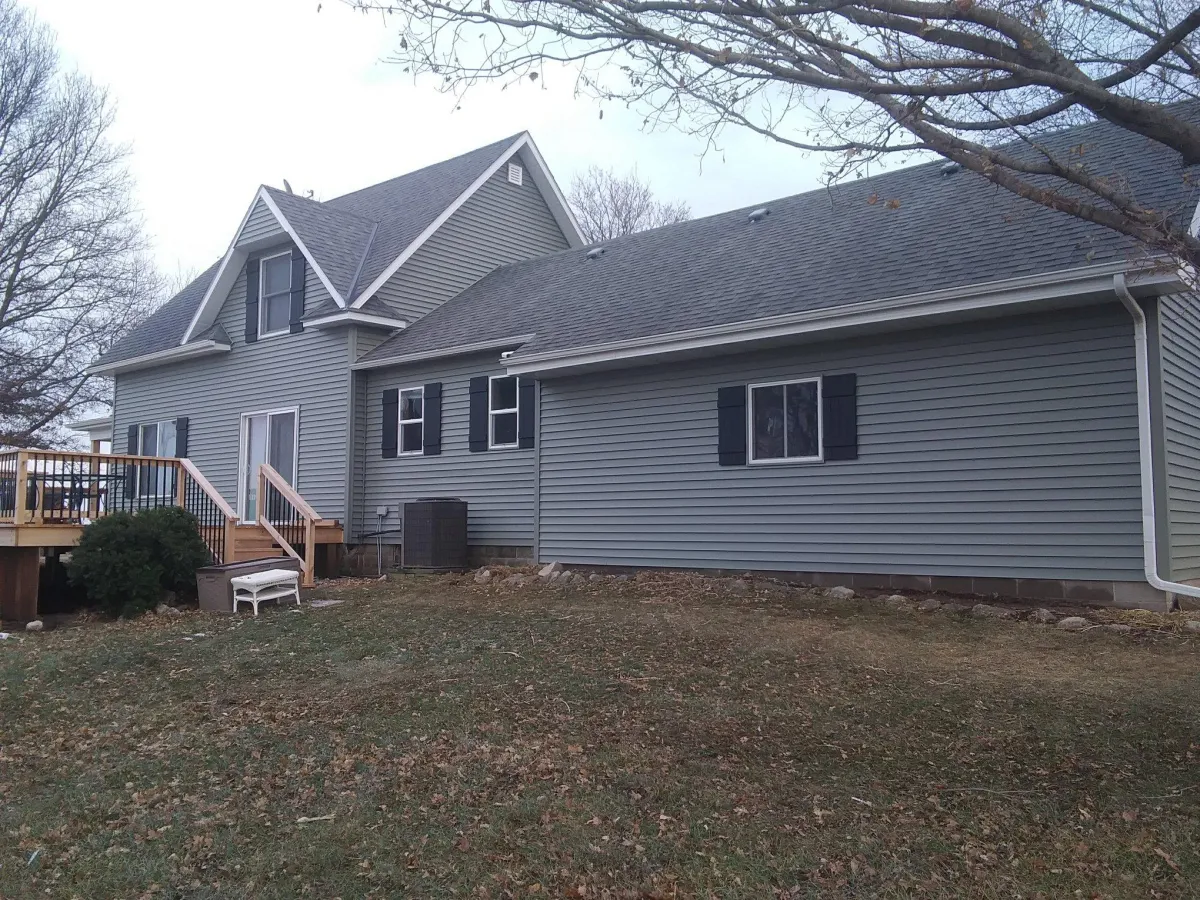
How to Protect Your Home During Severe Weather
Homeowners across Iowa, Nebraska, and Missouri often face unpredictable weather that strains exterior systems year-round. Strong winds, heavy rain, hail, and temperature swings all challenge roofs, siding, windows, and gutters across residential and commercial properties. Careful preparation helps protect your home from unexpected damage during powerful storms.
Seasonal changes introduce hazards that spread quickly when exterior weaknesses remain unnoticed. Homeowners improve long-term resilience by inspecting structures early and taking corrective measures before severe weather arrives. Strong planning helps protect your home and reduces costly repairs after large storms.
How Seasonal Preparation Helps Protect Your Home
Seasonal preparation helps protect your home when you inspect roofing, siding, windows, and gutters before storms. Strong materials protect your home by blocking moisture and resisting wind pressure. Correct installation protects your home by reducing structural strain during severe weather.
Why Roofing Readiness Helps Protect Your Home
Roofing readiness helps protect your home by evaluating shingles, flashing, and vents for early signs of deterioration. Shingles often loosen during seasonal temperature shifts and require timely repairs to prevent moisture intrusion. Careful inspection strengthens roofs and improves long-term resilience during severe storms.
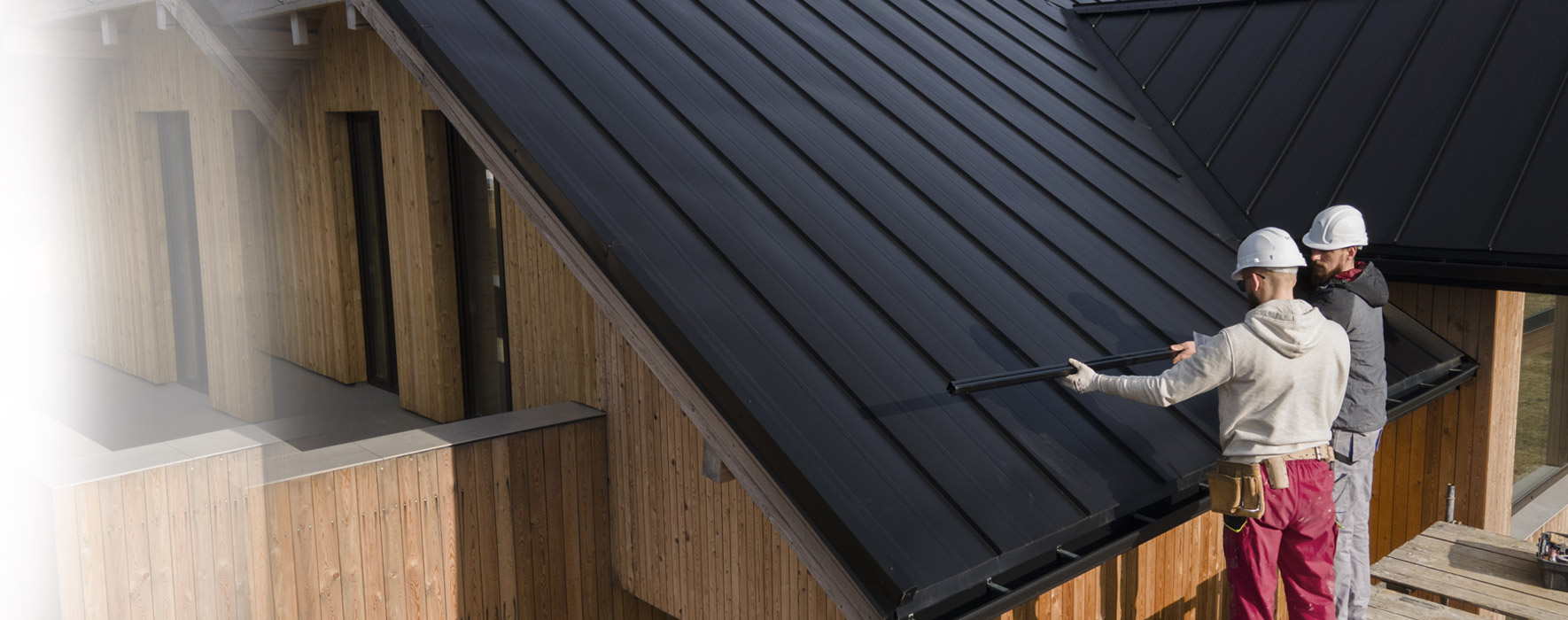
Loose shingles allow wind and rain to enter areas where water causes significant damage. These openings grow larger during strong storms and cause interior damage that requires expensive repairs. Correcting loose shingles early helps protect your home from escalating issues.
Flashing around vents and chimneys often separates slightly when roofing surfaces shift. These separations allow water to reach underlying materials during heavy rainfall. Reinforcing flashing before storms helps protect your home from structural deterioration.
Where Siding Evaluations Help Protect Your Home
Siding evaluations help protect your home by identifying problems that worsen during severe weather. Cracks, gaps, and loose panels expose structures to wind and moisture that spread damage quickly. Reliable siding performance helps protect your home during unpredictable storms.
Identifying cracks prevents moisture entry that weakens insulation and interior wall materials. Repairing these cracks helps protect your home during heavy rain.
Securing loose panels prevents wind uplift that damages large sections of siding. Reinforced panels help protect your home during strong wind conditions.
Removing debris around siding improves airflow and reduces moisture buildup. Clear surfaces help protect your home during prolonged storms.
Checking for warping reveals hidden moisture issues inside siding layers. Correcting warping helps protect your home during winter and spring weather.
Inspecting siding fasteners confirms whether panels remain firmly attached. Tight connections help protect your home during sudden gusts.
Siding evaluations reveal early indicators of structural decline that intensify during weather events. These inspections support strong protection and reduce the likelihood of costly storm damage. Homeowners who maintain siding consistently protect your home more effectively.
Why Window Strength Helps Protect Your Home
Window strength helps protect your home when glass, seals, and frames resist wind pressure and moisture exposure. Windows are vulnerable points through which external forces often enter interior spaces. Strong materials and proper maintenance help protect your home during severe weather events.
Strong seals block air and water from entering vulnerable areas around expanding and contracting frames. These protective layers weaken under seasonal stress when neglected for extended periods. Reinforcing seals regularly helps protect your home during heavy storms.
Glass integrity determines whether windows can withstand wind or debris pressure. Cracks grow quickly during weather changes and increase risks of breakage. Replacing damaged glass helps protect your home and preserves interior safety.
Frame stability influences how windows resist external vibrations and pressure created during storms. Weak frames flex easily and create gaps that allow moisture and air to enter. Strengthening frames before storm season helps protect your home from structural strain.
Where Gutter Maintenance Helps Protect Your Home
Gutter maintenance helps protect your home when drainage systems remove water efficiently during severe weather. Clear gutters direct water away from roofs, siding, and foundations where moisture causes structural damage. Strong drainage habits help protect your home throughout the year.
Removing leaves improves water movement and reduces overflow during heavy rainfall. Clear channels help protect your home by limiting moisture exposure.
Securing gutter hardware prevents sagging during storms that deposit large volumes of water. Reinforced brackets help protect your home from overflow.
Monitoring downspouts ensures water flows away from foundations and surrounding soil. Correct flow paths help protect your home from shifting ground conditions.
Checking for rust reveals weaknesses that compromise drainage performance. Addressing rust helps protect your home during wet seasons.
Confirming slope alignment ensures water travels correctly along gutter lines. Balanced slopes help protect your home during high-intensity storms.
Well-maintained gutters prevent water from pooling around vulnerable exterior areas. Reliable drainage reduces long-term deterioration and improves seasonal resilience. Homeowners who maintain gutters consistently protect your home more effectively.
Why Storm Damage Awareness Helps Protect Your Home
Storm-damage awareness helps protect your home by recognizing early warning signs that appear after severe weather. Damage often begins subtly and expands quickly when homeowners delay inspections. Prompt attention helps protect your home and reduces long-term repair expenses.
Wind-driven debris frequently impacts exterior sections and creates cracks or dents. These marks signal structural stress and require investigation to identify hidden weaknesses. Addressing these issues helps protect your home during future storms.

Moisture entering through new gaps affects insulation, framing, and interior materials across multiple surfaces. These conditions worsen when freezing or swelling occurs during seasonal transitions. Responding quickly helps protect your home and prevents deeper deterioration.
Structural shifts often appear when storms compromise siding, roofing, or window attachments. These shifts increase vulnerabilities that lead to larger structural problems. Identifying them early helps protect your home throughout the year.
Where Strong Planning Helps Protect Your Home During Severe Weather
Strong planning helps protect your home when you prepare roofing, siding, windows, and gutters before storms develop. Seasonal evaluations reveal potential risks that grow dangerous during severe weather. Proactive preparation helps protect your home by increasing overall resilience.
Emergency materials, including flashlights, indoor coverings, and basic tools, support quick responses during storms. These resources reduce interior exposure when unexpected damage occurs. Accessible emergency supplies help protect your home during active weather events.
Detailed maintenance tasks ensure exterior structures remain strong enough to withstand wind, rain, and hail. Correct planning reinforces weak areas before storms cause expensive damage. Homeowners who prepare thoroughly protect your home with greater reliability.
Stronger Protection Begins With Seasonal Awareness and Practical Preparation
Homeowners who inspect roofing, siding, windows, and gutters consistently protect their homes from serious storm damage. Severe weather creates rapid stress across exterior systems that require reliable seasonal maintenance. Early preparation strengthens structures and reduces long-term repair needs during intense weather.
Professional evaluations help identify structural weaknesses and provide recommended solutions that support long-term protection. Skilled assessments improve storm readiness and strengthen vulnerable areas before severe weather arrives. Contact Hoskins Exteriors for trusted solutions that help protect your home through every season across Iowa, Nebraska, and Missouri.
