

How Moisture Impacts Your Home’s Exterior (And How to Prevent It)
Moisture is one of the most persistent threats to your home exterior, affecting everything from siding to roofing. Water infiltration can lead to structural damage, mold growth, and reduced energy efficiency over time. Homeowners who understand the risks can take practical steps to safeguard their properties and maintain long-term value.
As seasons change, moisture patterns shift, increasing the likelihood of damage to vulnerable surfaces. Snow, rain, and humidity contribute to standing water, leaks, and condensation problems. Regular inspection and timely preventative measures are essential to protect both aesthetic appeal and structural integrity.
What Happens When Moisture Penetrates Your Home Exterior?
Moisture can compromise the durability of your home exterior, affecting siding, roofing, and other surfaces. Water infiltration encourages mold growth, wood rot, and hidden structural damage if left untreated. Recognizing these risks allows homeowners to implement effective prevention strategies to protect their property.
How to Check Your Home Exterior for Standing Water and Siding Damage
Siding plays a crucial role in protecting your home exterior from rain, snow, and humidity. However, standing water can compromise siding integrity, leading to mold, wood rot, or warping. Homeowners who regularly inspect drainage and siding can prevent costly repairs and maintain long-term durability.

Here are five key steps to check your home exterior for standing water and siding damage:
Examine grading around your home. Ensure the ground slopes away from the foundation so water does not pool near siding panels.
Inspect siding seams and panels. Look for cracks, bulges, or discoloration that may indicate trapped moisture or early rot.
Check downspouts and gutters. Make sure water is flowing freely and not accumulating near siding or the foundation.
Clear debris and vegetation. Remove leaves, mulch, and overhanging branches to prevent moisture from collecting against siding surfaces.
Conduct seasonal inspections. Review your siding after storms or heavy rain to identify any water damage or compromised areas early.
Regular attention to these areas protects the home exterior from long-term moisture damage and improves overall durability. Homeowners who follow these checks can preserve both appearance and structural integrity over time.
How Do Gutters Influence Moisture Control?
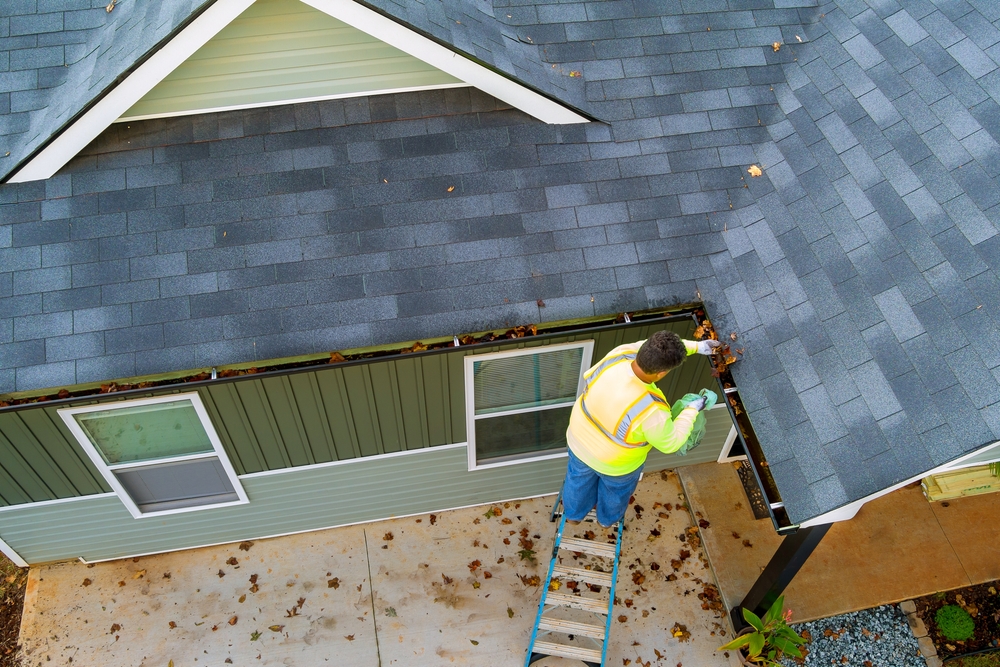
Gutters are critical to directing water away from the home exterior and foundation. Clogged or improperly pitched gutters allow water to pool around the foundation, causing erosion or basement flooding. Regular inspections and cleaning ensure water moves efficiently during storms.
Downspouts should extend several feet from the house to prevent water from collecting near walls. Installing gutter guards can minimize debris accumulation and reduce maintenance frequency. Seasonal adjustments and inspections are essential to maintain optimal gutter function.
Overflowing gutters may damage landscaping and nearby surfaces. Improper drainage encourages water to seep into basement walls, promoting mold growth. Checking gutters after rain or snowfall helps homeowners catch potential issues early.
Proper gutter installation complements roofing and siding protection, reducing the risk of moisture damage. Inspecting gutters twice a year, especially during fall and spring, prevents costly water-related repairs. Homeowners should also review seasonal changes in roof and siding to identify how weather affects exterior performance.
Leaks in Roofing: Why Early Detection Matters
Roofing serves as the primary barrier against moisture intrusion in a home exterior. Even minor leaks can penetrate attics, insulation, and framing, causing long-term damage. Regular inspection ensures problems are identified before significant repairs are required.
Shingle damage, worn flashing, or loose tiles are common leak sources. Inspecting the roof after heavy storms helps identify vulnerabilities promptly. Timely maintenance preserves structural integrity and reduces repair costs.
Moisture in the attic can promote mold growth and compromise indoor air quality. Roof ventilation and proper insulation reduce condensation and water buildup. Observing signs of leaks early prevents extensive home exterior deterioration.
Professional roofing evaluations during seasonal transitions improve durability and energy efficiency. Homeowners should monitor for curling shingles, missing granules, and water stains. These inspections protect both roof function and interior comfort.
How Can Proper Sealing Protect Windows and Doors?
Windows and doors are frequent points of water intrusion in the home exterior. Proper sealing prevents drafts, water leaks, and insulation damage. Homeowners benefit from increased energy efficiency and reduced maintenance costs.
Cracked caulking or deteriorated weather-stripping allows water to seep into framing and walls. Inspecting seals seasonally ensures water does not compromise structural integrity. Timely repairs maintain comfort and prevent long-term damage.

Energy-efficient windows reduce heating and cooling costs while minimizing moisture entry. Modern sealing methods and flashing techniques improve performance across weather conditions. Homeowners gain peace of mind knowing their home exterior remains protected.
Routine checks, especially after rain or snow, reveal potential issues before they escalate. Addressing minor leaks prevents damage to walls, flooring, and interior finishes. Learning preventative strategies enhances both home efficiency and appearance.
What Preventative Maintenance Steps Reduce Moisture Damage?
Routine maintenance is the most effective way to protect your home exterior from moisture damage. Addressing potential issues early ensures durability and reduces costly repairs. Homeowners who prioritize maintenance enhance both the efficiency and appearance of their home exterior.
Here are six key preventative steps to reduce moisture damage:
Clean gutters regularly. Remove leaves, debris, and blockages to ensure water flows freely away from siding and foundation.
Trim overhanging vegetation. Keep trees and shrubs clear of siding and roofing to prevent trapped moisture and surface damage.
Inspect and repair flashing. Check roof, window, and door flashing for gaps or wear to prevent leaks and water infiltration.
Check caulking and seals. Examine seals around windows, doors, and joints to maintain a watertight home exterior.
Apply protective coatings. Use appropriate finishes or sealants on siding, wood trim, and other surfaces to repel moisture.
Schedule seasonal inspections. Follow home exterior maintenance tips to review roofing, siding, and gutters before winter and after heavy rain.
Regular attention to these areas minimizes long-term damage and keeps the home exterior looking and performing its best. Following a consistent maintenance routine also reduces emergency repair costs and improves comfort.
Safeguarding Your Home Exterior for Long-Term Protection
Moisture can affect every component of your home exterior, but proactive steps mitigate risks effectively. Regular inspections, maintenance, and prompt repairs preserve structural integrity. Homeowners who address issues early enjoy reduced costs and prolonged material life.
Professional support ensures siding, roofing, gutters, and windows function optimally against water intrusion. Experienced contractors help maintain exterior durability, energy efficiency, and aesthetic appeal. Contact Hoskins Exteriors to schedule an inspection and protect your home exterior with expert care, ensuring lasting protection and performance.
