

How Ice Dams Form and How to Protect Your Roof and Gutters
Homeowners across Iowa, Nebraska, and Missouri often experience winter conditions that place heavy pressure on roofing and gutter systems. Snowfall, freezing temperatures, and uneven roof heating contribute to seasonal hazards that require careful planning. Understanding how ice dams form helps homeowners protect structures before damage spreads.
Winter weather frequently exposes weaknesses in attic insulation, ventilation, and rooftop drainage systems. These weaknesses allow melted snow to refreeze near roof edges where blockages form along gutters. Homeowners reduce costly repairs when they address these issues before severe conditions worsen.
How Ice Dams Form and Affect Roofing Systems
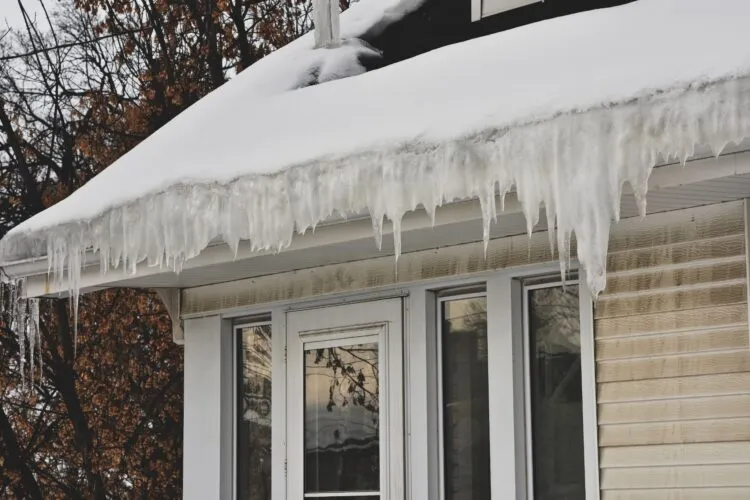
Warm roof surfaces melt accumulated snow that refreezes near colder roof edges, where ice dams form. Expanding ice traps melting water behind rooftop barriers. Trapped water seeps beneath shingles and causes seasonally driven damage.
Why Temperature Imbalances Cause Ice Dams on Residential Roofs
Temperature imbalances cause ice dams when warm attic air rises through insufficient insulation and heats roof surfaces unevenly. Snow melts rapidly along warmer areas and flows downward until it reaches colder overhangs. Melted water freezes again and gradually forms thicker ice dams along roof edges.
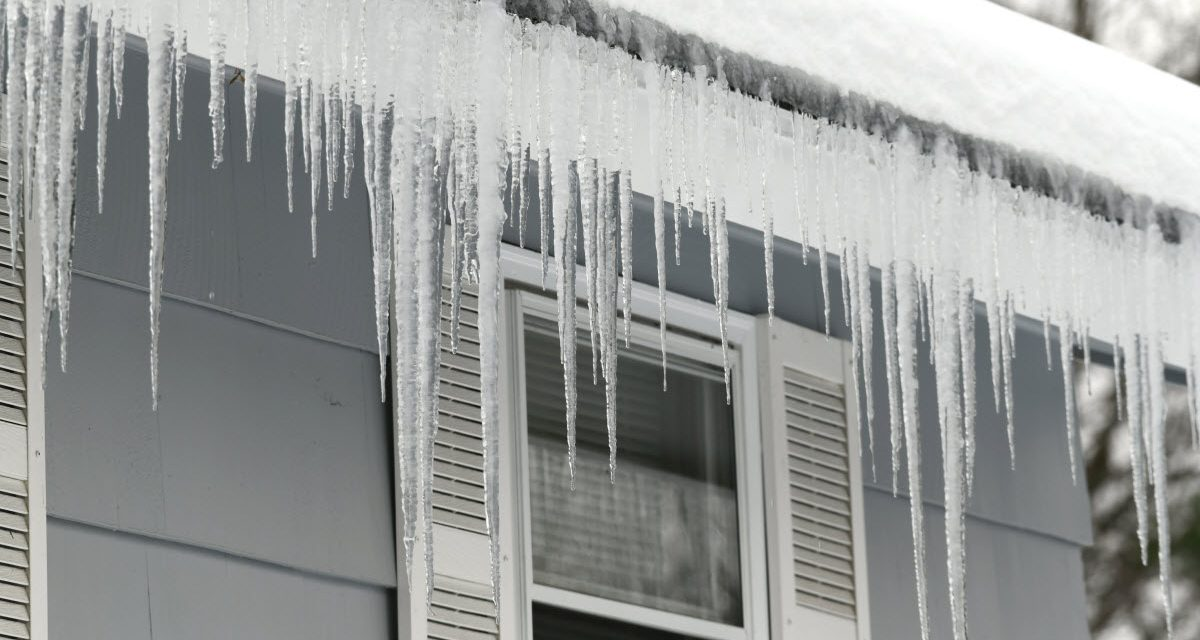
Attic airflow issues worsen temperature differences, accelerating melting during cold weather. Warm air escaping into attic spaces raises roof surface temperatures above normal winter levels. Correcting airflow prevents conditions that support the formation of ice dams.
Poor insulation allows heat to escape through attic cavities and creates inconsistent roof surface temperatures. These variations promote melting across upper sections of the roof and refreezing near gutters. Strong insulation reduces the conditions that allow ice dams to grow.
Where Roofing and Gutter Weaknesses Encourage Ice Dams
Roofing and gutter weaknesses encourage ice dams when structural components fail to guide melting snow safely off roof surfaces. These weaknesses limit drainage efficiency and increase the likelihood of freeze accumulation across roof edges.
Loose gutters collect melting snow that refreezes and intensifies weight stress along support brackets. Securing fasteners helps prevent conditions that expand ice dams.
Clogged downspouts trap standing water, which can freeze in enclosed channels. Clear downspouts reduce the risk of obstructions and slow the formation of ice dams.
Damaged shingles create openings where melted water collects and freezes. Strong shingle coverage reduces surface vulnerability and limits ice dam growth.
Misaligned roof angles direct meltwater toward colder areas where freezing occurs quickly. Correct alignment helps reduce the formation of ice dams.
Weak fascia boards flex under ice pressure and trap water behind frozen sections. Reinforced fascia supports drainage and slows ice dam development.
Roofing weaknesses increase the severity of ice buildup during winter storms. Addressing these problems strengthens long-term protection and reduces costly seasonal damage. Homeowners who correct vulnerabilities early limit the impact of recurring ice dams.
Why Ventilation Problems Increase Ice Dam Formation
Ventilation problems increase ice dam formation when attic airflow becomes restricted and prevents heat from leaving interior spaces effectively. Inconsistent airflow creates warm and cold zones across the roofing surface. These temperature differences accelerate melting along upper sections and refreezing along lower edges.
Blocked ridge vents reduce attic exhaust efficiency and trap warm air beneath roof decking. Trapped air elevates surface temperatures and melts accumulated snow more quickly than intended. Removing blockages helps stabilize temperatures and decreases the chance of forming ice dams.
Undersized soffit vents limit fresh air intake that balances attic temperatures during winter. Restricted intake prevents cold outdoor air from circulating through attic pathways. Expanded venting reduces the likelihood of ice dams forming along gutters.
Improperly installed insulation sometimes covers ventilation channels unintentionally. Covered channels disrupt airflow and create warm pockets inside attic spaces. Correct placement prevents heat concentration that promotes the development of ice dams.
Where Insulation Improvements Help Minimize Ice Dam Growth
Insulation improvements help minimize ice dam growth when homeowners enhance coverage across attic floors and vulnerable roof sections. Effective insulation maintains consistent roof temperatures and prevents uneven melting. Balanced temperatures reduce the conditions that encourage ice formation.
Adding insulation increases resistance against heat movement from interior spaces. Improved insulation reduces temperature fluctuations and slows ice dam formation.
Sealing attic gaps prevents heat escape that warms roof surfaces excessively. Gap sealing supports uniform temperatures and reduces opportunities for ice dams.
Enhancing thermal barriers reduces snowmelt movement toward unprotected roof areas. Strong barriers decrease refreezing potential and limit ice dam expansion.
Replacing degraded insulation restores proper coverage across attic zones. Reliable materials stabilize temperatures and protect against ice dams.
Inspecting insulation depth ensures adequate thickness across all sections. Balanced coverage maintains uniform heat distribution and minimizes ice dam risks.
Improved insulation supports long-term energy efficiency and strengthens seasonal roof protection. These changes limit temperature variations that trigger rooftop freezing. Homeowners who update insulation reduce ice dam formation across winter months.
Why Drainage Management Helps Control Ice Dams on Residential Buildings
Drainage management helps control ice dams when gutter systems remain clear and able to move melting snow away from roof edges. Proper flow prevents water from collecting in areas exposed to freezing temperatures. Managed drainage supports long-term roof protection.
Seasonal debris often accumulates inside gutters during fall months. Remaining debris blocks water movement and creates standing pools that freeze during winter storms. Removing buildup reduces the likelihood of ice dams forming around gutter edges.
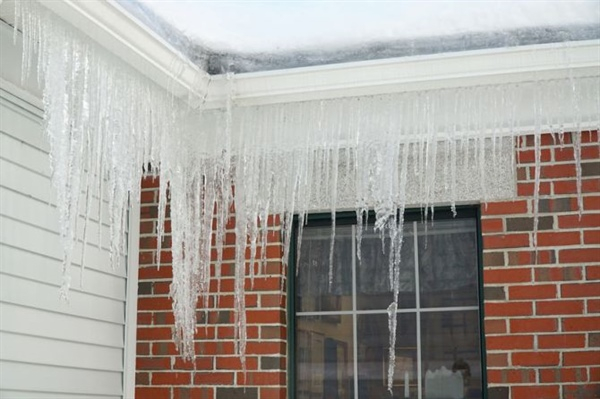
Downspout placement influences how quickly water leaves roof surfaces during melting cycles. Poor placement directs water toward cold zones where freezing occurs frequently. Adjusting downspouts improves runoff efficiency and limits ice dam growth.
Additional extensions sometimes help redirect meltwater further from the home. These adjustments reduce foundation saturation and ice accumulation along exterior walls. Consistent drainage management lowers winter-related risks associated with ice dams.
Where Preventive Maintenance Helps Reduce Ice Dam Damage
Preventive maintenance helps reduce damage from ice dams when homeowners routinely inspect roofing and gutter systems before winter begins. These inspections identify developing weaknesses that worsen during freeze cycles. Early preparation strengthens long-term protection during extreme cold.
Snow removal from rooftop edges prevents excessive buildup that contributes to melting and refreezing. Controlled removal decreases structural pressure and limits the expansion of ice dams. Routine checks support safer winter performance.
Gutter cleaning remains essential for maintaining healthy water flow during melting periods. Clean gutters prevent water from backing up into colder regions where freezing occurs. Regular cleaning reduces ice dam formation along roof edges.
Roof inspections help identify missing shingles, damaged flashing, and weak surfaces. Correcting these issues prevents meltwater from reaching vulnerable areas. Strong maintenance practices reduce the impact of ice dams significantly.
Strong Winter Protection Begins With Preventive Planning and Reliable Exterior Care
Homeowners who understand how ice dams form can protect roofing and gutter systems more effectively during winter storms. Reliable preparation reduces the impact of freezing conditions and supports long-term structural resilience. Practical seasonal care minimizes damage and improves overall home performance.
Professional evaluations help identify insulation issues, ventilation problems, and drainage concerns that increase winter risk. Skilled exterior specialists ensure homes remain protected during severe weather and freezing conditions. Contact Hoskins Exteriors for trusted solutions that prevent ice dams and strengthen your property across every winter season.
