

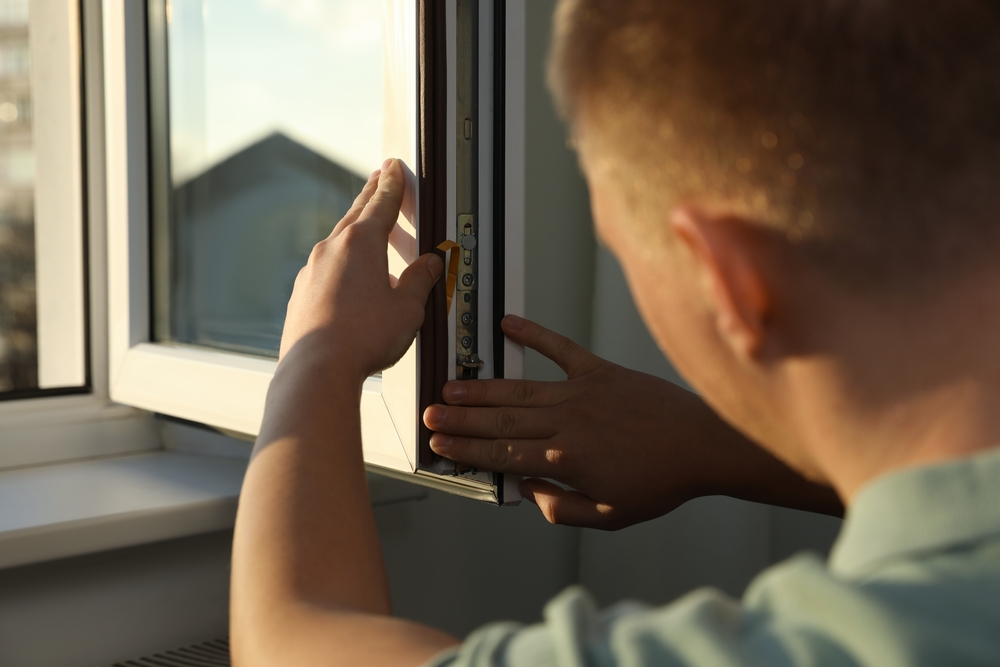
Common Window Repair Mistakes and How to Avoid Them
Homeowners across Iowa, Nebraska, and Missouri often attempt window repair projects without realizing how easily small mistakes create larger problems. Poor technique and incorrect material choices lead to drafts, leaks, and weakened window structures that affect year-round comfort. Careful planning helps prevent unnecessary damage while supporting long-term property performance.
Weather conditions, age, and previous repairs contribute to window weaknesses that require correct handling. Window repair mistakes frequently occur when homeowners rush through inspections or overlook structural concerns hidden within frame components. Strong preparation minimizes long-term risks and supports successful restoration efforts.
How Common Mistakes Affect Window Repair Results
Incorrect measurements cause gaps that weaken window repair outcomes. Using the wrong sealant reduces durability and allows moisture entry. Ignoring frame damage increases long-term structural issues.
Why Incorrect Measurements Compromise Window Repair Quality
Incorrect measurements compromise the quality of window repairs when homeowners underestimate the importance of precise sizing. Frames and sash components must be matched in dimensions to prevent gaps and misalignment. Accurate measurements ensure proper function and improve long-term durability.
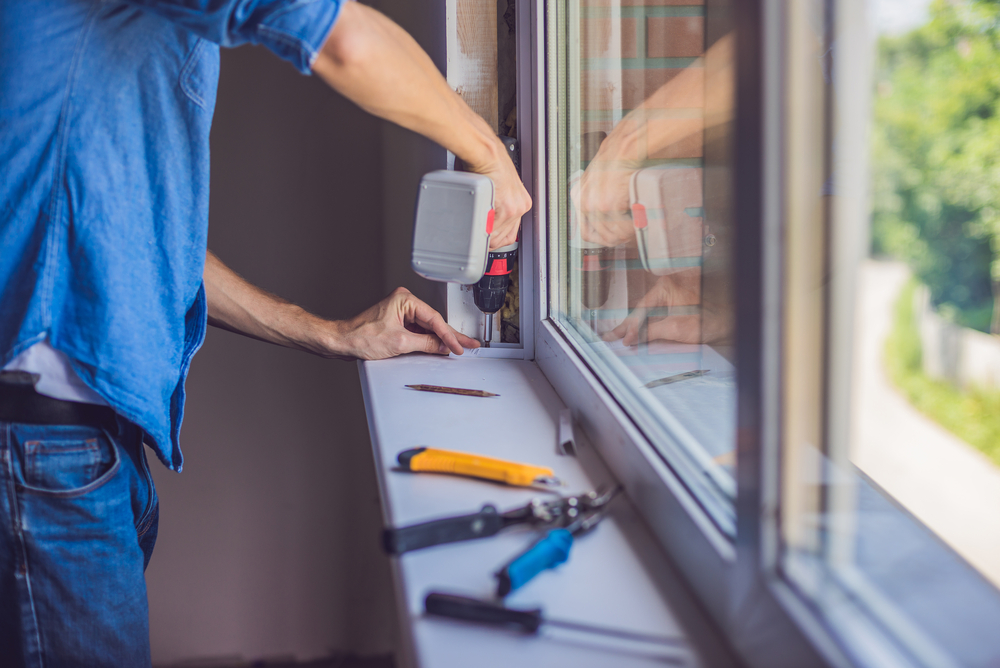
Improper sizing leads to unwanted air movement, undermining efficiency during both hot and cold seasons. Drafts increase energy costs and reduce comfort across affected interior spaces. Correct measurement techniques improve window repair performance when consistently applied.
Measurement errors often cause hardware misfits that strain hinges and locking mechanisms over time. Misalignment promotes unnecessary wear and reduces structural reliability. Accurate sizing supports smooth operation and improves window repair outcomes.
Where Material Selection Affects Window Repair Success
Material selection affects window repair success when homeowners choose products without considering compatibility or long-term stability. Different window types require specific sealants, fasteners, and replacement elements to maintain structural strength. Proper materials prevent deterioration during extreme regional temperatures.
Using low-quality caulk encourages premature cracking during temperature shifts. Stronger products extend window repair durability and maintain better insulation.
Choosing incorrect glazing compounds reduces the effectiveness of repaired window panes. Suitable compounds support long-term clarity and structural strength.
Installing mismatched hardware weakens window function and increases mechanical strain. Proper hardware improves performance and extends operational life.
Selecting improper wood treatments allows moisture intrusion along frame surfaces. Correct treatments protect material strength and reinforce window repair results.
Relying on incompatible paints or finishes reduces protective coating performance. Proper finishes resist moisture and improve window longevity.
Material choice influences future stability and shapes the lifespan of repaired components. Strong selection habits reduce maintenance needs and increase long-term resilience. Window repair benefits significantly when homeowners use compatible, durable products.
Why Ignoring Hidden Structural Damage Harms Window Repair Performance
Ignoring hidden structural damage harms window repair performance when homeowners focus only on visible problems. Moisture exposure frequently causes rot or warping beneath surface areas that require detailed inspection. Identifying these issues early strengthens long-term window stability.
Structural weaknesses around frames disrupt proper alignment and create pressure points that worsen with seasonal movement. These pressure points cause glass cracks or frame distortion during extreme temperatures. Addressing hidden damage improves window repair performance when completed promptly.
Moisture trapped inside frame cavities encourages mold growth and internal decay. These conditions spread quickly when repairs do not include deeper evaluation. Proper inspection ensures window repair efforts address all underlying issues.
Where Poor Sealant Application Reduces Window Repair Strength
Poor sealant application reduces window repair strength when materials are applied unevenly or under unsuitable conditions. Sealants protect windows from air and moisture entry that damage surrounding structural components. Strong application techniques support long-term repair stability.
Applying sealant during extreme temperatures prevents proper curing. Balanced conditions support consistent window repair quality.
Leaving gaps during application allows moisture intrusion that increases interior damage. Complete coverage improves repair durability.
Using excess sealant creates irregular surfaces that collect debris and reduce visual appeal. Controlled application strengthens window repair results.
Applying incompatible products weakens adhesion and leads to early failure. Correct selection improves long-term stability.
Neglecting surface preparation prevents strong bonding across contact points. Clean surfaces support effective window repair performance.
Sealant issues often worsen during temperature changes when materials expand and contract. Reliable application prevents seasonal deterioration and supports long-term stability. Window repair improves greatly when sealants are used correctly.
Why Overlooking Hardware Issues Weakens Window Repair Results
Overlooking hardware issues weakens window repair results when hinges, locks, and fasteners fail to support consistent operation. Hardware components experience strain from seasonal weather cycles that demand proper maintenance. Window repair efforts become more effective when hardware problems receive early attention.
Loose hinges often cause sagging that prevents windows from closing tightly. Sagging creates security risks and reduces insulation value. Correcting hinge issues strengthens repair outcomes and improves daily usability.

Worn locking mechanisms allow air leaks and reduce structural stability across affected window sections. These issues develop gradually when components experience repeated stress. Addressing lock problems improves window repair function over time.
Misaligned fasteners introduce pressure that cracks frames or glass panes. These misalignments commonly occur after previous repair attempts that used improper tools. Proper fastening techniques extend window lifespan and reinforce repair work.
Where Cleaning and Preparation Influence Window Repair Outcomes
Cleaning and preparation influence window repair outcomes when contaminants prevent secure bonding across surfaces. Dust, old adhesive, and moisture disrupt adhesion and weaken structural components. Proper preparation ensures repair materials perform reliably in various weather conditions.
Unclean surfaces decrease sealant effectiveness and promote gaps that compromise insulation. These gaps increase energy usage and reduce comfort inside residential spaces. Cleaning practices improve window repair strength and long-term reliability.
Old paint layers often hide cracks or weaknesses that require sanding or removal before applying new materials. These hidden issues expand under seasonal stress and undermine window stability. Proper surface preparation strengthens repair consistency.
Stronger Window Performance Begins With Correct Repair Practices
Homeowners can avoid common mistakes by using proper materials, inspecting hidden damage, and applying sealants with care. Window repair success increases when accurate measurements and thorough preparation guide each step. Skilled planning reduces long-term maintenance needs and protects home comfort.
Professional evaluations help identify structural issues and determine the best approach for long-lasting repairs. Expert assessments provide accurate insight into window performance and material requirements. Contact Hoskins Exteriors for trusted window repair solutions and dependable exterior services across Iowa, Nebraska, and Missouri.
